

Choosing coffee packaging specifications starts with how the product will be sold, opened and used. A format for a working café counter may differ from a retail product or a distributor order. Pack weight, coffee format, artwork and delivery units should be considered as parts of the same project.
This guide helps prepare a discussion about OEM coffee manufacturing or private label coffee development. Materials, bag structures, pack weights and customization options require project-specific confirmation from SpringTime. Illustrations do not represent every available option.
Answer three questions before choosing a bag
Who opens and uses the product?
A barista, a home customer and a distribution partner use products differently. Describe expected usage, storage after opening and who manages the product. This provides a more useful starting point than choosing a bag only for its appearance.
Whole bean or ground coffee?
Identify the format according to the user’s brewing method and equipment. If developing both whole bean and ground versions, treat them as separate specifications for artwork and order management. Packaging imagery and product names should help customers distinguish the versions.
Sold by the bag or delivered by the carton?
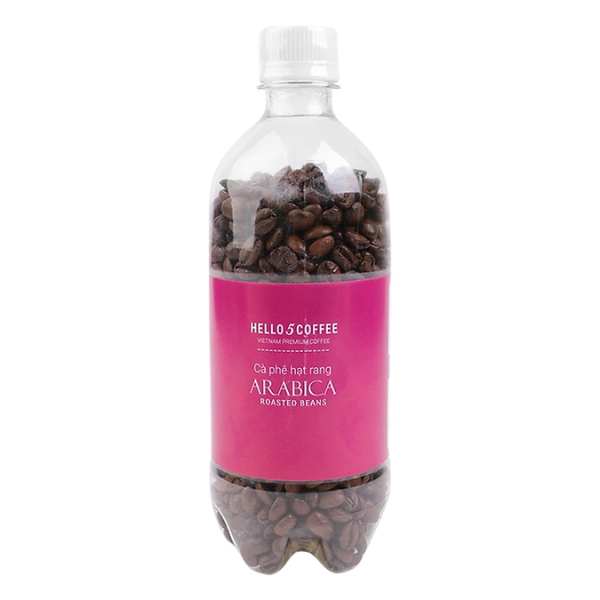
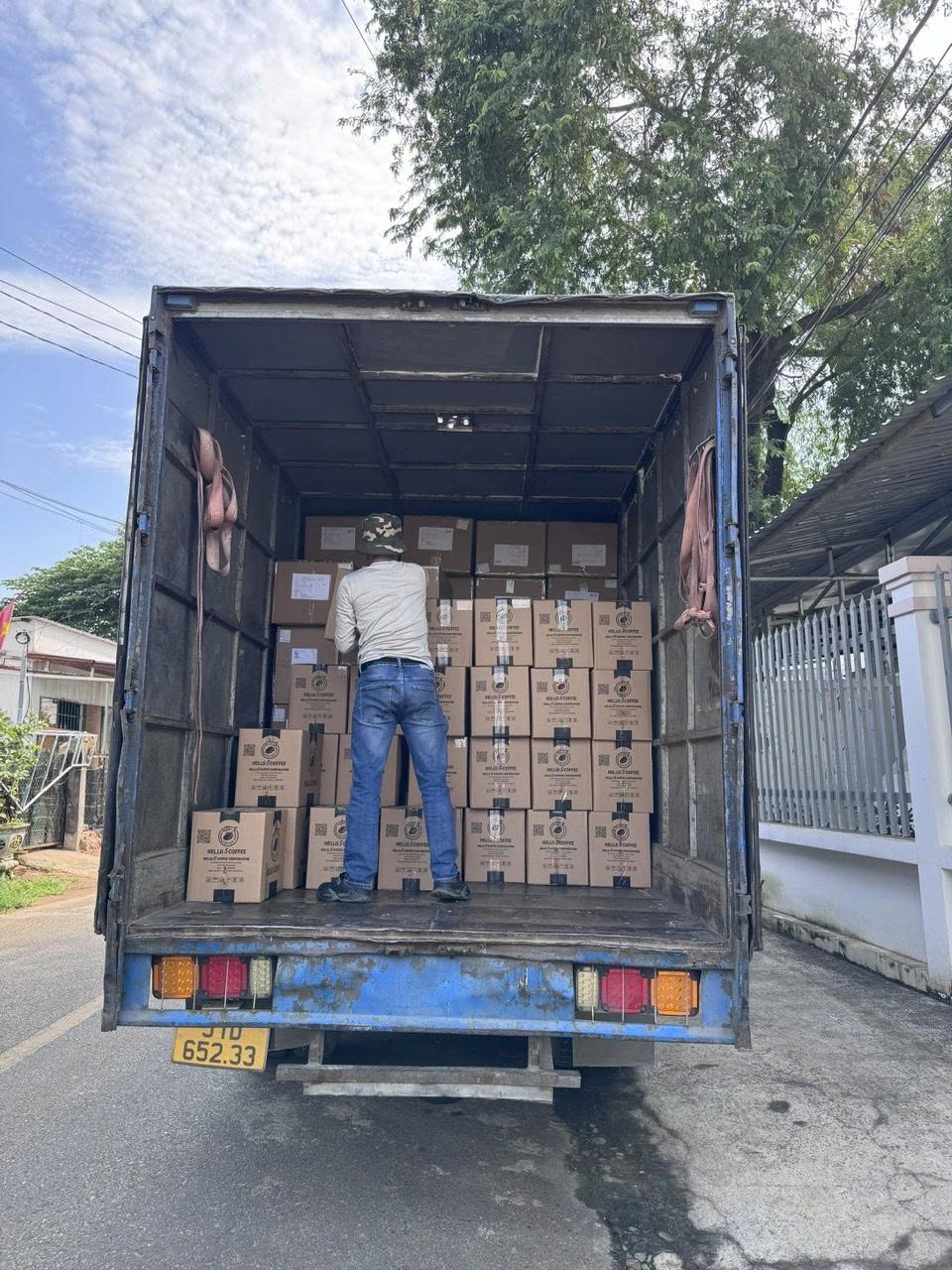
Agree both sales and delivery units. Explain how quantities will be counted, the proposed carton specification and the information the receiving partner needs. Do not infer the number of bags per carton from a reference photograph.
Discuss specifications for four sales channels
| Channel | Priority question | Points to agree |
|---|---|---|
| Cafés / HORECA | Who opens the bag, at which counter, and how is it managed? | Coffee format, operationally suitable pack weight, version identification and delivery. |
| Retail | How will customers choose and brew the coffee at home? | Product-line distinction, whole bean or ground format, pack weight, usage information and artwork. |
| Distributors | Which product codes and ordering units does the partner manage? | Item codes, bag/carton specifications, quantities by item and approval documents. |
| Export | What are the intended market, buyer and delivery arrangements? | Buyer requirements, languages, documents and packaging content to check for the destination market. |
Cafés and service operations
Prioritize identifying the correct coffee at the counter and managing opened bags. Discuss pack weight around actual outlet usage rather than assuming a larger bag is always better. If outlets use different coffee lines, agree consistent names and item references.
Retail and private label brands
Artwork should help customers understand which product they are choosing and how to use it. Check every version when offering several pack weights or both whole bean and ground coffee. Use the private label coffee brief template to identify existing decisions and support needed.
Distribution and export
Clarify the item list, ordering units, carton arrangements and content approver. For export, include buyer and destination-market requirements in the brief for review before printing. This article does not list labeling obligations or confirm legal compliance for a particular market.
Confirm the material scope before final artwork
Ask which packaging options can actually be implemented, who supplies materials and what can be customized. Artwork dimensions, panel content and information placement should follow confirmed specifications. An attractive rendering is not an approved production packaging sample.
If considering an existing foundation, read the OEM vs ODM coffee scope comparison to clarify each party’s responsibilities. Do not assume private label service includes every material or customization shown in a reference image.
A packaging approval checklist
- Product: coffee line, whole bean or ground format and agreed sample reference.
- Sales unit: pack weight and identification of each item.
- Materials: confirmed option, supplier and customization scope.
- Artwork: version, languages, content owner and approver.
- Delivery: counting units, carton specification and receiving checks.
- Changes: how revised specifications affect cost, materials and planning.
Two examples of a clearer discussion
A café opening another outlet: instead of asking to keep the same bag, share the coffee reference, current pack weight, outlet needs and identification requirements so the proposal can be checked.
A new retail brand: if pack weight is undecided, describe the channel, intended users, whole bean or ground format and existing artwork. Ask about feasible options before completing the design.
These are illustrative situations, rather than quotations or packaging configurations already confirmed by SpringTime.
Connect packaging approval with coffee and ordering
Coffee evaluation and packaging approval are related decisions but do not replace each other. For café menus, use the menu-based coffee sample evaluation sheet. During implementation, consult the OEM process from brief to delivery to track the stages requiring agreement.
Discuss your specifications with SpringTime
Share the sales channel, coffee line, whole bean or ground format, expected pack weight and artwork requirements. Identify open decisions so suitable options can be discussed.