

The OEM coffee manufacturing process should begin with a clear product brief rather than a price request per kilogram. Two products described as roasted coffee can require different solutions because their target flavour, brewing method, ingredients and packaging are different.
This guide helps brands, café operators and distributors prepare for a discussion with a manufacturer. It follows the five stages described in SpringTime’s OEM coffee service: brief, proposal, sample approval, production and handover. The scope and commercial conditions of each order must be confirmed for the individual project.
Who is OEM coffee manufacturing suitable for?
OEM can suit a business that already has a product direction and needs a partner for roasting, blending or packing to agreed requirements. Examples include a coffee brand extending its range, a café business maintaining a house flavour, or a distributor preparing products for a specific market.
Start by separating the decisions you have already made from the work you need help with. If you are still developing the concept, flavour profile or product format, discuss ODM and private-label coffee development. Service names do not replace a written agreement about the work included in your project.
1. Write a brief around the customer and brewing method
Define where and how the product will be used
A coffee intended for a café menu with milk-based drinks may need different evaluation criteria from whole beans sold to home brewers. Describe the target customer, sales channel and intended use. This gives both parties a shared reference instead of relying only on words such as premium, strong or smooth.
Turn flavour preferences into useful information
Describe the desired intensity, acidity, bitterness, body and finish in terms your team can discuss. Include the intended brewing method, such as espresso, a Vietnamese phin or filter brewing, and whether the coffee will normally be served black or with milk.
If you have a reference sample, explain what you like about it and what should be different. A reference helps communicate a direction; it should not be treated as a promise that another commercial product can be copied exactly.
2. Agree the coffee, roasting and packaging proposal
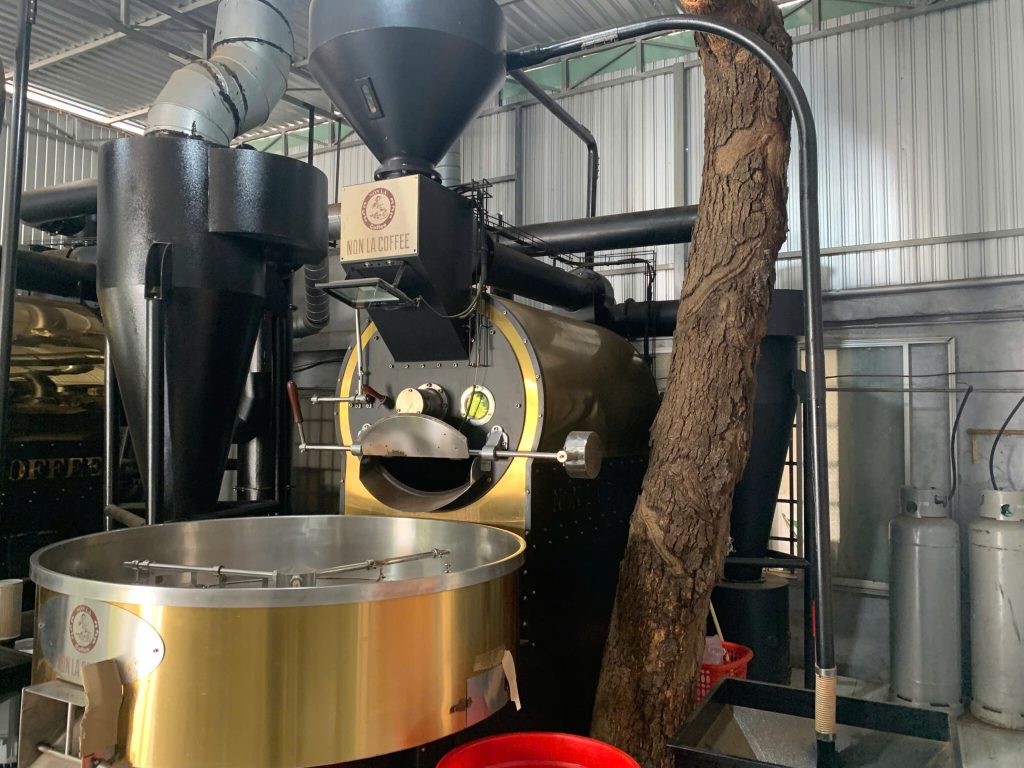
Once the brief is clear, the discussion can move to ingredients, roast level, blend and finished product format. If you have not chosen a coffee yet, explore SpringTime’s coffee range and narrow the options against your flavour direction and brewing method.
Discuss packaging early. Pack weight, bag format, labels, cartons and distribution requirements affect how the project is organised. For ground coffee, specify the intended brewing method and discuss the grind requirement. For whole beans, identify the expected user and equipment.
What to include in a quotation request
- Product type, whole-bean or ground format, and blend requirements.
- Number of SKUs and estimated quantity for each SKU.
- Pack weight, bag, label and carton requirements.
- Who will supply or arrange each packaging component.
- Delivery location, intended market and required availability.
- Any sample development, design or additional support requested.
Compare quotations on the same scope. A coffee-only price cannot be directly compared with a proposal that includes roasting, packing, labels and delivery. Ask what is included and what remains to be confirmed.
3. Test and approve samples before production
Samples turn a product direction into something your team can evaluate. When comparing options, record the brewing method, equipment, dose and other relevant conditions. Changing the coffee and brewing setup at the same time can make the comparison difficult to interpret.
Evaluate in the intended setting
For a café product, involve the people who operate the bar and assess it within the actual menu. For retail products, consider how customers are expected to prepare the coffee. Record what works, what needs changing and which requirements matter most, so that sample feedback has a clear direction.
Make the approval identifiable
Keep a sample reference, product description, whole-bean or ground specification, packaging details and agreed evaluation criteria. Confirm changes to ingredients, recipe or packaging after approval. “The same as last time” can cause confusion if the two teams are referring to different sample versions.
4. Confirm the order and production requirements
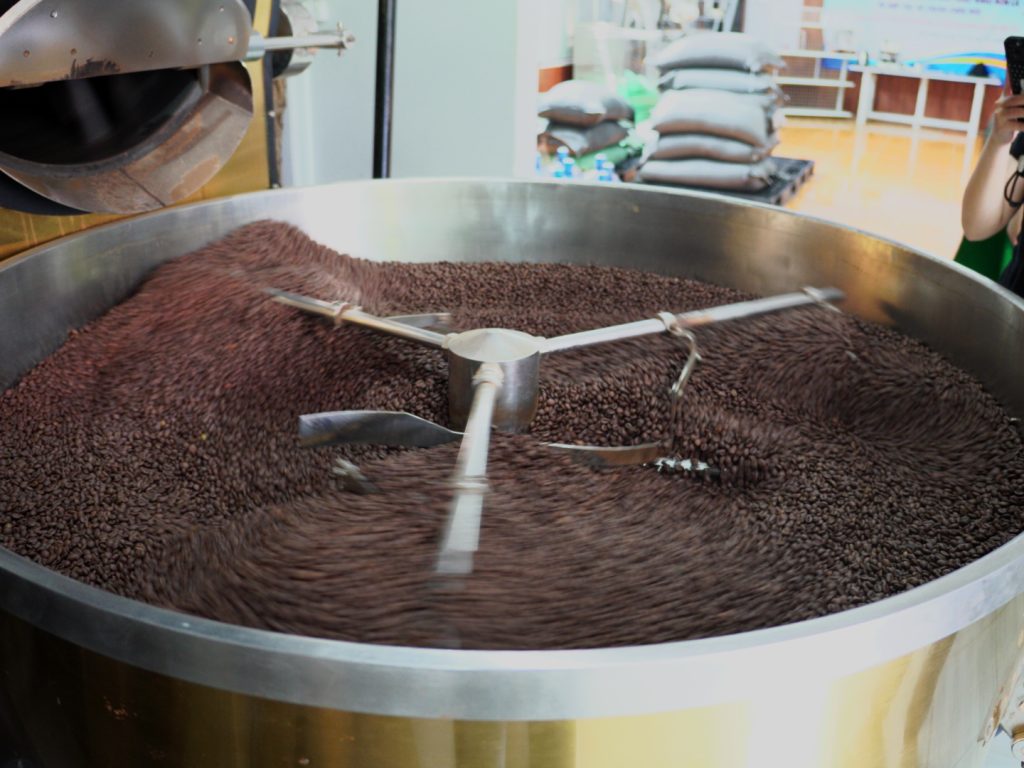
Before production, check the quantity, SKUs, approved sample version, packaging, timing and responsibilities. Identify who can approve changes and how the teams should communicate if something is not ready. A clear brief still needs updating when order volume or delivery requirements change.
For repeat supply, discuss batch identification, product records and the feedback process. Agree which checks and documents are needed for the particular product. Do not assume that every manufacturer provides the same documentation, testing scope or acceptance terms.
5. Check the delivery and prepare the next order
At handover, compare the quantity, product references, packaging condition and agreed specifications. If there is an issue, retain batch details, photographs and a specific description so both teams can investigate. Delivery arrangements and the handling of discrepancies depend on the order and applicable agreement.
Once the product is in use, feedback from bar staff, customers and distributors can inform repeat orders. Separate observations about coffee, packaging and operations instead of combining them into a general statement that the product is not right. When changing the flavour direction, return to sample testing and approval before applying it to the next production order.
OEM coffee brief checklist
| Area | Information to prepare |
|---|---|
| Customer and channel | B2B, HORECA, retail or a clearly defined target market. |
| Coffee | Whole bean or ground, brewing method, flavour direction and reference samples. |
| Volume | SKUs, estimated quantity per SKU and repeat-order needs. |
| Packaging | Pack weight, bag, labels, cartons and responsibilities. |
| Approval | Decision-maker, test conditions and required adjustments. |
| Delivery | Required timing, destination and agreed documentation. |
Frequently asked questions
What is the minimum order quantity?
Do not assume one minimum applies to every product. MOQ must be confirmed against the coffee, recipe, number of SKUs and packaging configuration. Share the estimated quantity for each SKU to receive a relevant proposal.
Can I start without a finished recipe?
You can begin with the target customer, intended brewing method and flavour direction. Clarify the development support needed. If the concept itself needs work, discuss ODM/private-label development alongside the manufacturing requirement.
How long does the process take?
Timing depends on sample development and approval, packaging readiness, order volume and the confirmed production plan. State your required availability in the brief. An indicative timeframe should not be treated as a commitment for every order.
Discuss your OEM coffee brief with SpringTime
SpringTime offers roasting, blending and packing to agreed requirements. Share your product format, flavour direction, estimated quantity and packaging needs to begin the discussion.
Review the OEM service scope or explore private-label coffee solutions before sending your enquiry.