

Espresso coffee for cafés should be selected against your main drinks, brewing equipment and ingredient cost per acceptable serving. A price per kilogram or the crema in one test is not enough to make the decision. Test the coffee in your actual menu, record the recipe and check repeatability before committing to a supply arrangement.
This guide helps new cafés, operators adding espresso to an existing menu and F&B purchasing teams create a practical buying specification.
Start with the drinks you sell
Before choosing Arabica, Robusta or a blend, identify the drinks that matter most to the business. Espresso, Americano, latte and iced milk coffee do not present a coffee in the same way. A sample enjoyed black may produce a different impression with milk, sugar and ice.
Give the supplier a list of drinks to test and explain the experience you want customers to have. You may want a clean finish in an Americano or a clearly recognisable coffee flavour in a milk drink. These are sample-development requirements, not reasons to assume one blend ratio works for every café.
| Drink | What to assess | What to record |
|---|---|---|
| Espresso and Americano | Balance of acidity, bitterness and finish for your customers | Base recipe, added water and feedback as the drink cools |
| Latte and cappuccino | Compatibility with the milk used in service | Milk type, quantity and balance of the finished drink |
| Iced milk coffee | Flavour after milk and ice are added | Milk and ice quantities and tasting point |
| Signature drinks | Compatibility with the other ingredients | Full recipe, ingredient cost and operational feedback |
Arabica, Robusta or a café blend?
The coffee species is one input, rather than a complete measure of the finished drink. Raw-material characteristics, processing, roasting and preparation all need consideration. Use sample references and tasting results instead of relying on general statements about one species being better.
A blend can be developed around a menu, but its specification should include an approved reference sample. If a raw-material source changes, assess a replacement sample rather than assuming that the same blend percentage guarantees the same result. Businesses developing their own product can discuss the scope of private label coffee development.
Test the coffee on your café equipment
Use the espresso machine, grinder and water supply intended for service. Tasting at another location does not establish how the sample will perform in your own setup. Involve the people who will prepare drinks during normal shifts.
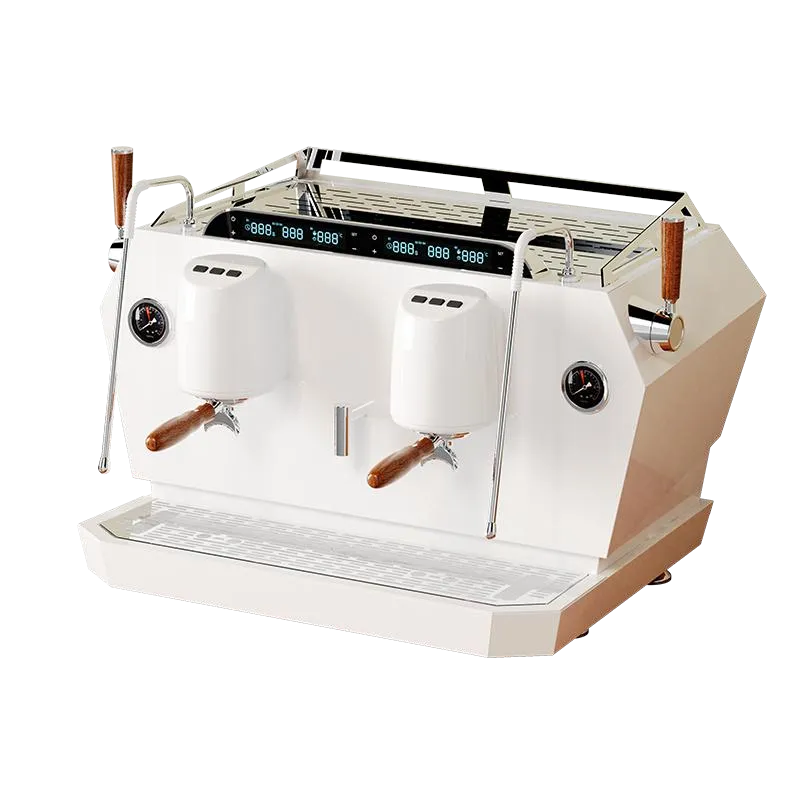
The Specialty Coffee Association commercial equipment programme includes temperature stability and consistency among espresso-machine evaluation considerations. This reference does not certify equipment pictured here; it explains why equipment belongs in the discussion alongside the coffee.
Keep a record for every sample
- Sample reference, confirmed lot details and roast date.
- Machine, grinder setting and preparation recipe.
- Coffee dose and beverage output by weight.
- Observed brewing time for comparison between trials.
- Feedback on each drink and the person approving the sample.
These are recording fields, not a universal espresso recipe. Establish parameters for the actual coffee, basket and equipment. Keep preparation conditions consistent when comparing samples, then evaluate any proposed recipe changes separately.
Calculate coffee cost per drink
Different prices per kilogram do not necessarily create the same difference in cost per served drink. Dose, coffee used while adjusting the grinder and remade drinks all affect the result. Use your café’s own figures rather than assuming a supplier’s price represents the full cost.
Theoretical bean cost per drink = price per kilogram × grams used per drink ÷ 1,000. This is the coffee ingredient cost only. It excludes milk, ice, other ingredients, cups, labour and operational waste.
For a practical check, divide the value of beans consumed in a period by the number of acceptable drinks sold using that coffee. Where recipes use different doses, separate them or convert them consistently before comparing. A low purchase price alone does not establish a more profitable menu.
Check repeatability across shifts
After the first sample session, check that other team members can follow the approved recipe. Instructions should be clear enough for normal service, not just for the person who selected the sample. Record adjustments and define how staff should report a result that differs from the reference.
Before attributing an issue to a coffee lot, compare preparation, equipment condition and handling. If a raw-material change is suspected, retain the relevant lot reference and sample. This helps distinguish a brewing issue from a supply issue.
Agree on packaging and delivery
Select bag size around usage and storage practices, rather than packaging cost alone. Ask for product-specific storage guidance and confirmed product information. Do not infer shelf life from roast date without the supplier’s specification.
Confirm the product reference, quantity per bag, lot identification and procedure for reporting discrepancies. Availability, formats and delivery timing need confirmation for the order. Businesses requiring multiple processing steps can review coffee OEM manufacturing before agreeing on the scope.
What to send with your café coffee enquiry
- Main drinks and the menu items that must be tested.
- Espresso machine, grinder and operating conditions.
- Target flavour, current sample and the improvement required.
- Estimated demand and the basis for that estimate.
- Bag format, delivery destination and repeat-order requirements.
- Sample approver and acceptance criteria.
Review the Springtime coffee ecosystem when discussing the product and the wider project. Equipment compatibility and capacity should always be checked against the specific model.
Frequently asked questions
Does café espresso have to use Arabica?
Do not choose by species name alone. Test samples against your menu, equipment and recipe, then approve the experience you need to serve.
Can one coffee work for black and milk drinks?
Test that option across both groups. If it does not meet the menu requirements, adjust the recipe or evaluate another sample before placing a large order.
Why can the same coffee taste different at two cafés?
Equipment, water, grinder settings and handling may differ. Record and compare the conditions systematically instead of changing beans after one unsuccessful preparation.
When should I request a quotation?
Indicative pricing can be discussed with the initial brief. A purchasing decision should use a quotation tied to the approved sample, packaging and delivery terms.
Discuss your café coffee requirements
Send your menu, existing equipment and estimated demand to Springtime. If you want a product carrying your café’s own brand, include that requirement in the brief.
Contact Springtime about coffee for your café.