

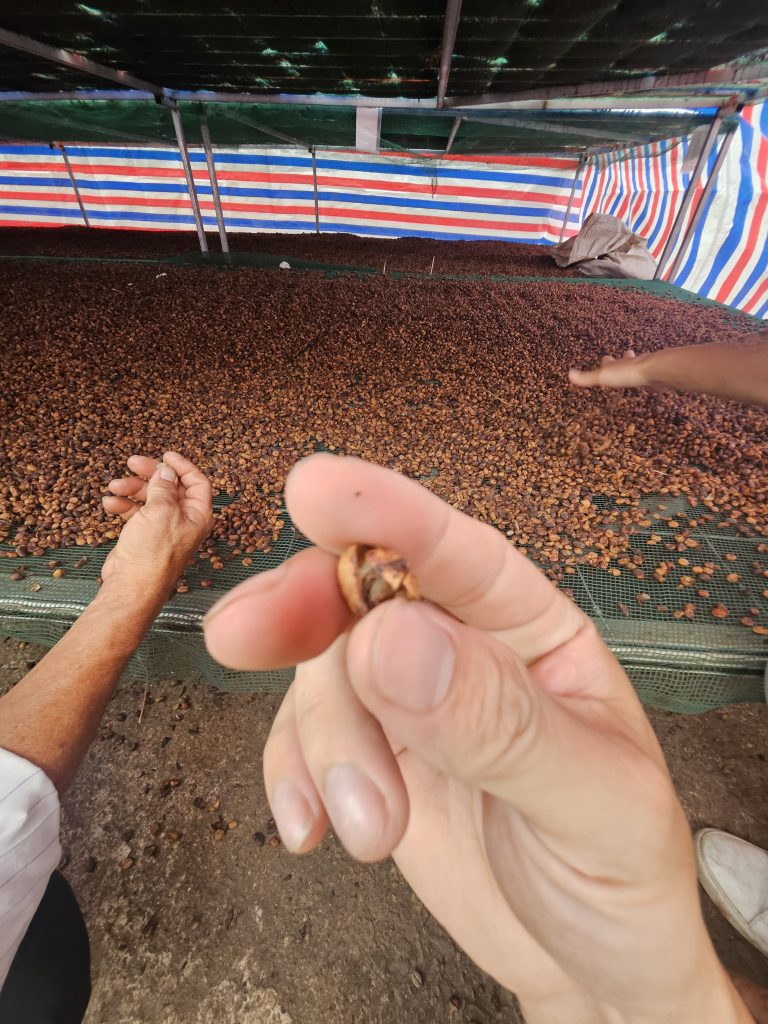
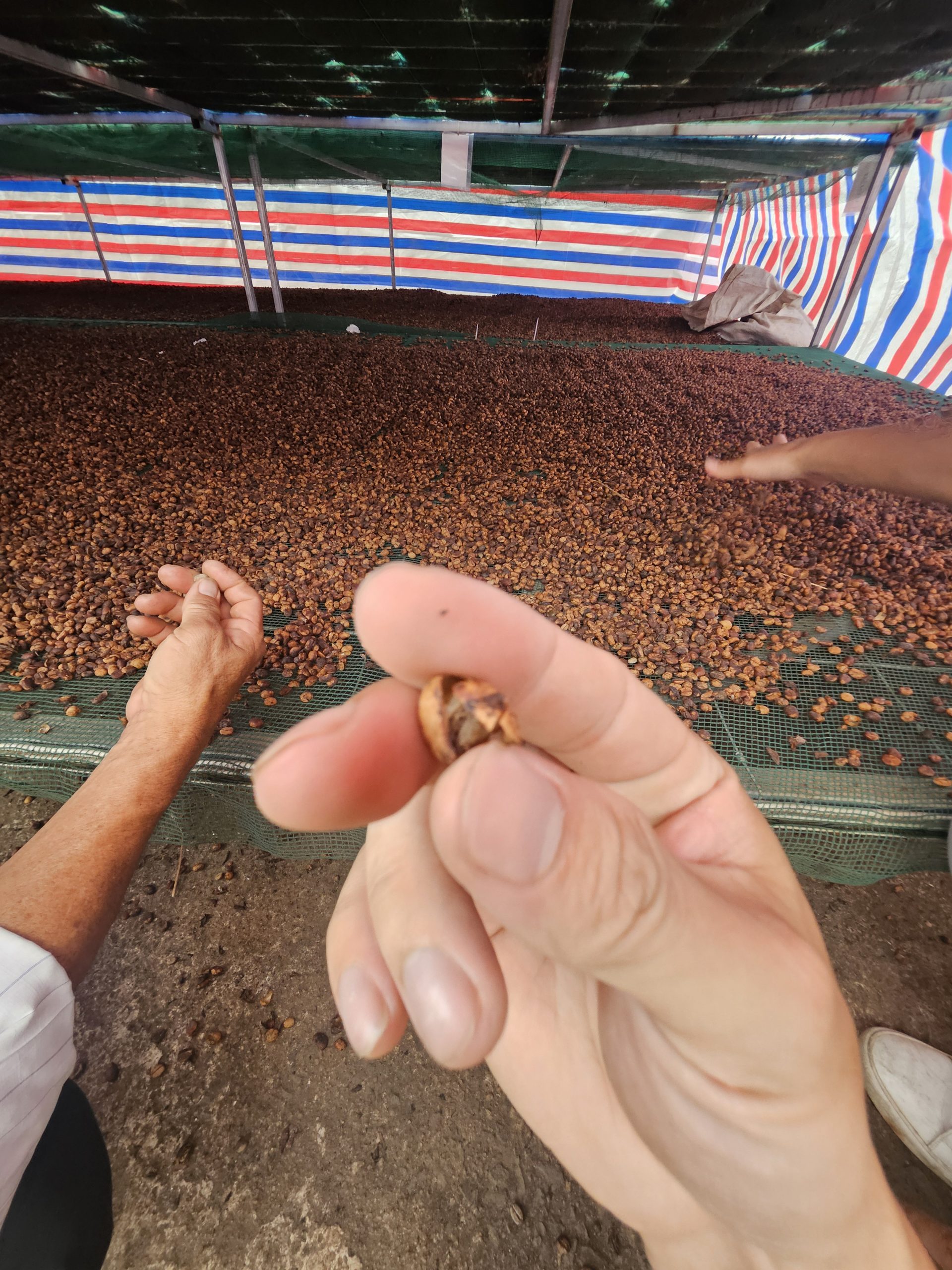
Wholesale green coffee should be evaluated by material lot, representative sample and agreed purchasing conditions. A species name, screen size or photograph cannot replace lot records and a roasting trial for the intended application.
This guide is for roasters and B2B material buyers. It does not assign moisture limits, defect allowances, prices or quality grades to Springtime materials.
Start with the roasting application
Describe the intended product, where trials will be roasted and who approves samples. A blend component and a separately marketed origin lot may require different purchasing decisions.
Specify green coffee rather than finished roasted beans. If roasting is also needed, identify that separate scope. Review green-bean sourcing for contract roasting before requesting a combined offer.
Request a lot record
A lot identity links the offer, sample and delivered goods. Mark missing information as unconfirmed instead of importing details from another lot.
| Area | Purchasing question | Record |
|---|---|---|
| Identity | How does the sample relate to delivery? | Lot, sample and receipt date |
| Material | Which species, origin and process are confirmed? | Supplier documentation |
| Physical assessment | How were moisture, defects and size checked? | Results, method and assessment date |
| Roasting trial | Who evaluated which application? | Trial conditions and decision |
| Delivery | What pack, weight and delivery point apply? | Order and receiving record |
Read measurements with their methods
A result needs a sample, method and date. If it is an acceptance requirement, agree the assessment method, equipment or classification standard before comparing results.
Do not silently substitute one moisture or size reporting method for another. Different classification systems need an agreed basis rather than an assumption that the reported grades are equivalent.
The SCA’s Coffee Value Assessment framework separates physical attributes such as colour, defects, moisture and size from sensory and other assessments. This reference does not turn a single measurement into a complete quality judgement or certify a Springtime lot.
Evaluate a representative sample
Ask where and when the sample was taken and which goods it represents. Keep its identity consistent between the buyer, sample roaster and approval owner.
Record roasting and tasting conditions. Assess suitability for the intended product rather than relying only on a broad positive or negative impression.
- Identify the sample before processing.
- Record roasting and brewing conditions.
- Separate sensory descriptions from application suitability.
- Retain the approval, retest or rejection reasons.
- Agree how delivery will be compared with approval.
Align quotation conditions
Compare the same lot identity, weight, bag format and delivery point. Clarify taxes, freight and payment terms; an ex-warehouse figure is not automatically the delivered cost.
For a post-roast cost forecast, use losses measured in the actual trial and the relevant costs. Do not apply a universal loss rate and present it as a Springtime production result.
Green and roasted coffee prices are not substitutes. Roasting, inspection, packing and operations are additional activities that need a defined scope.
Receive and track the lot
Agree the receiving contact and checks before shipment. Match identities, quantities, packaging condition and documents, then record differences for investigation under the agreed procedure.
Follow the applicable material storage instructions and warehouse requirements. Preserve the link from a raw-material lot to its roast batches rather than combining sources without traceable records.
Prepare a green coffee enquiry
Include material type, roasting purpose, information required, expected volume and delivery point. Review coffee options and the OEM service scope to distinguish material supply from a production project.
Off-catalogue requirements, specifications, minimum quantities and availability need confirmation for the actual lot or project. This guide is not an offer of stock.
Frequently asked questions
Can screen size alone establish green coffee quality?
No. Review lot information, physical checks, roasting trials and suitability for the intended application.
Can two moisture results be compared directly?
First establish the samples, methods, equipment and assessment dates so the comparison has a common basis.
Does a sample automatically represent the delivered goods?
Confirm sampling and the link between the sample and lot, including the receiving comparison procedure.
Does a green coffee quotation include roasting?
Do not assume so. Clarify material supply and any additional services separately.
Discuss your requirements with Springtime
Send the intended application, product, pack format, forecast quantity and receiving point through the Springtime contact page. These details support a discussion of scope, feasibility and conditions before a quotation is agreed.