


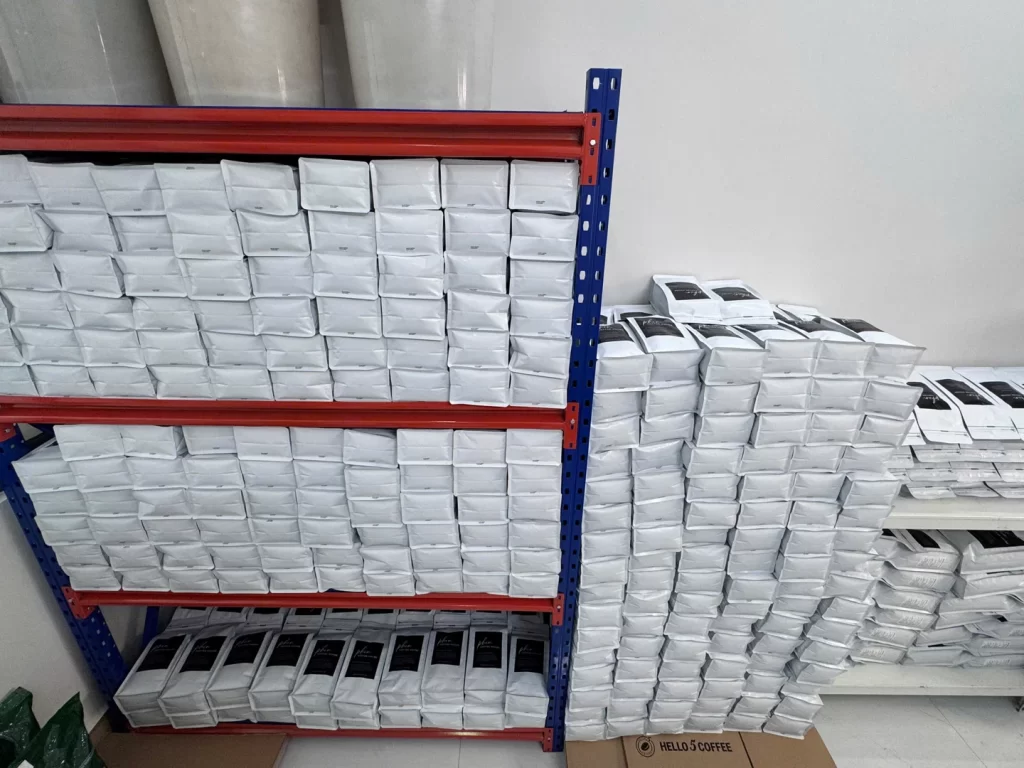
Ordering coffee for a café involves more than deciding how many kilograms to buy. The team needs enough stock to serve customers, maintain an agreed brewing standard and avoid holding more coffee than the operation requires. A useful purchasing plan starts with actual drink sales, the coffee used in each recipe and the replenishment schedule agreed with the supplier.
This guide offers a practical approach for independent cafés, small chains and HORECA beverage teams. All numerical examples are illustrative assumptions, not recommended brewing doses or SpringTime delivery commitments.
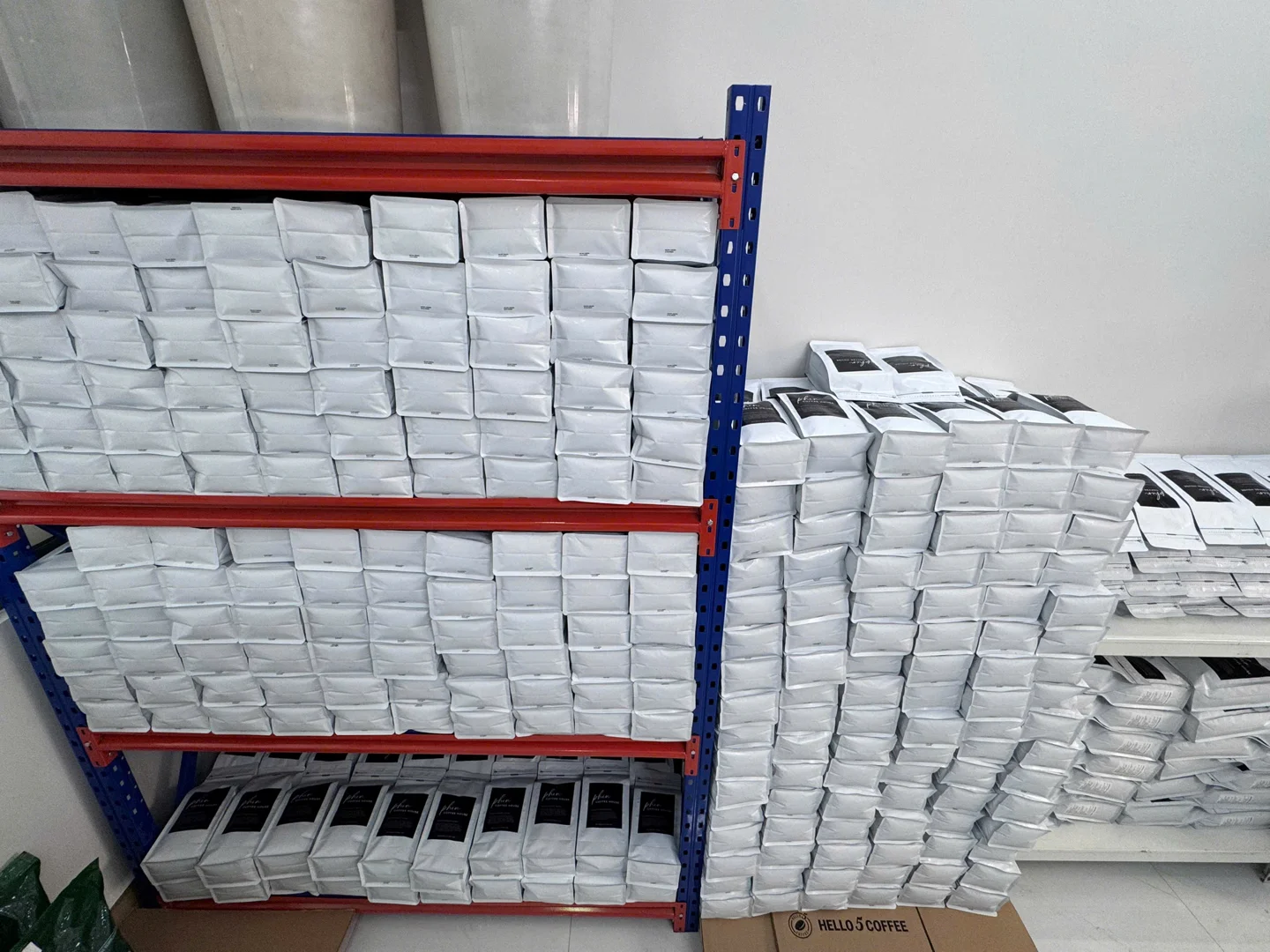
1. Measure actual coffee usage
Track recipes and coffee lines separately
Record sales by drink group and the coffee used in the café’s own recipe. If espresso and phin drinks use different coffees, maintain separate records. Do not apply one dose to every drink: some recipes require multiple extractions, while others use coffee prepared in batches.
For each coffee line, estimate recipe consumption by multiplying portions sold by the amount used per portion. Record machine adjustment, training, recipe trials and other operational usage separately. This distinguishes customer demand from consumption that does not directly produce a sale.
A weekly demand example
Suppose a café sells an average of 100 portions daily from one coffee line, using an internal recipe of 18 g per portion. Recipe consumption is 100 × 18 ÷ 1,000 = 1.8 kg per day, or 12.6 kg over seven days. Add other usage based on the café’s records rather than assuming one universal wastage allowance for every business.
2. Forecast by trading day
Separate weekdays, weekends and days with events or promotions. A new café can start with an initial estimate and update it as actual sales become available. An established operation should compare periods with similar trading conditions rather than using one exceptional day as the basis for an entire month.
For a chain, review each location before consolidating demand. Faster consumption at one site does not mean every café needs the same increase. Record transfers between locations so internal movements are not mistaken for coffee consumed.
3. Agree the replenishment schedule
Discuss order confirmation, product preparation, dispatch and receipt at the café. Distinguish a proposed schedule from a confirmed one; avoid planning on the assumption that every order can be supplied immediately.
- Order cut-off and the person authorized to confirm it.
- Coffee line, pack size and any minimum quantity to discuss.
- Delivery address, receiving window and contact person.
- How order changes or delays will be communicated.
- Options to discuss when demand rises unexpectedly.
When requesting a proposal, share expected consumption and ordering frequency together. Use the B2B coffee quotation checklist to organize the requirements without treating a forecast as a purchasing commitment that has not been agreed.
4. Set a reorder alert and a reserve
A simple reorder alert can be based on expected consumption during replenishment time plus a reserve selected by the café. Treat it as a signal to review stock and place an order, not as a substitute for checking incoming deliveries and changes in trading demand.
For illustration, suppose the café uses 1.8 kg daily, the agreed replenishment time is three days and the owner selects a 2 kg reserve. The alert level is 1.8 × 3 + 2 = 7.4 kg. As available stock approaches that level, the responsible person checks the physical balance, incoming orders and upcoming sales before confirming a new purchase. These assumptions must be adapted to each operation.
Review the reserve when delivery timing, sales or demand variability changes. An excessive reserve can create unnecessary stock; too little can leave the café without sufficient flexibility.
5. Track batches and opened packs
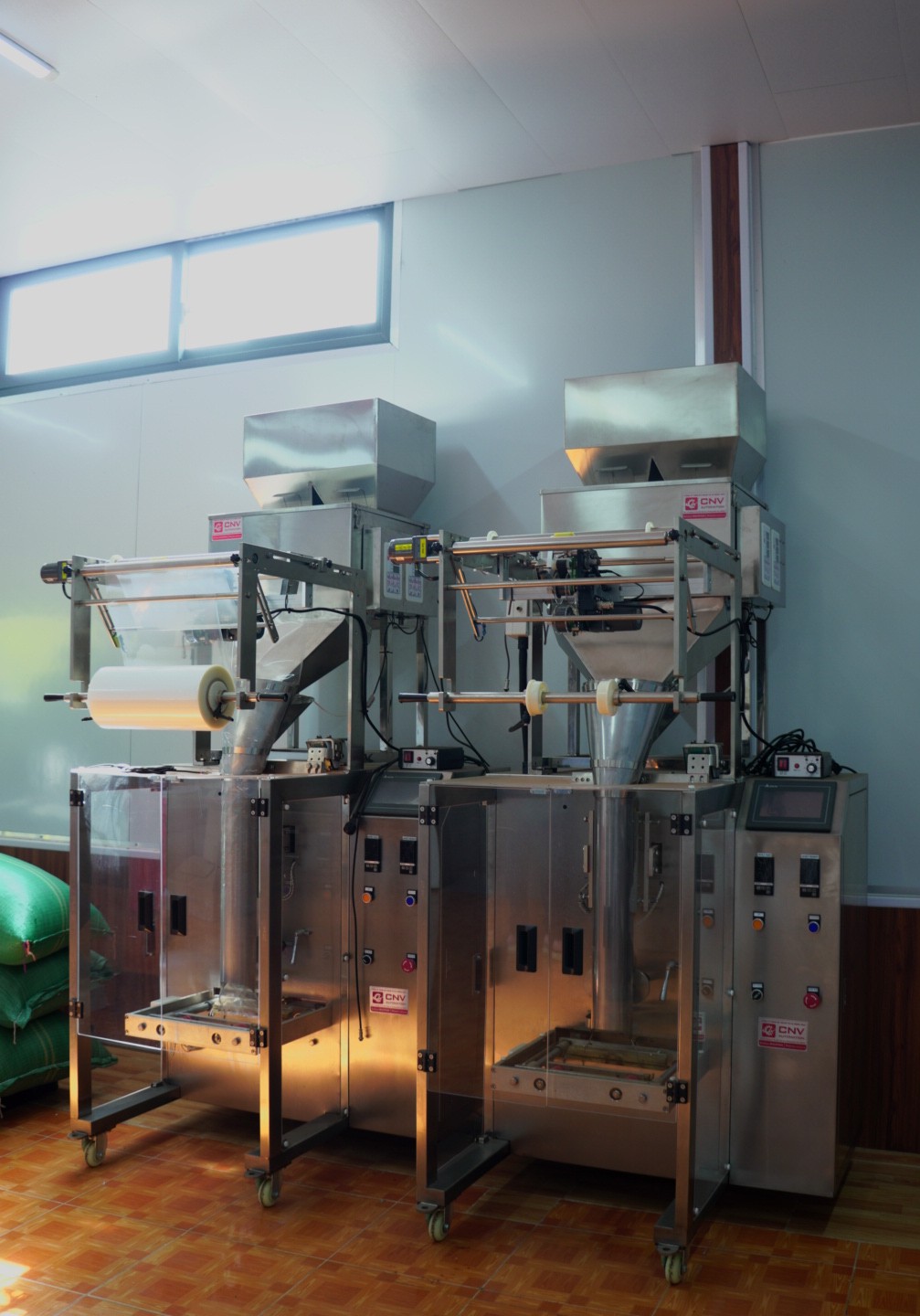
At receipt, check product identity, quantity, packaging condition and the batch information shown on labels or documents. Record receiving and opening dates so staff can identify the stock currently in use. Follow the product’s storage instructions, keep suitable packaging and avoid combining batches without recording the change.
Select pack size around consumption speed and how coffee is allocated to the bar. A larger pack should not be chosen only for its unit price when the café has not assessed how it will be used within its operating plan.
6. Use a weekly inventory checklist
- Coffee line and product code.
- Opening balance, receipts, transfers and closing balance.
- Recipe consumption and additional operational usage.
- Opened packs, batches in use and packaging condition.
- Outstanding orders and expected receiving dates.
- Next week’s demand, reorder alert and responsible person.
Compare the written record with a physical count or weight. If discrepancies recur, review recipes, stock allocation and recording practices before increasing purchases. When changing the coffee line, approve it under the café’s actual menu conditions and update usage assumptions instead of carrying over the previous recipe without checking.
Discuss your café coffee supply plan with SpringTime
Prepare your brewing method, desired flavor profile, expected usage, pack format and receiving location. Explore SpringTime coffee lines or discuss OEM manufacturing if your brand needs a defined product configuration.
Share your café or HORECA coffee requirements so both parties can confirm the product, ordering rhythm and proposed supply arrangement.