

A clear B2B coffee request for quotation helps a supplier understand what you need and lets your team compare proposals on the same basis. Rather than asking only for a price per kilogram, describe the coffee, order volume, packaging and delivery requirements together.
This checklist is for coffee brands, cafés, chains and distributors preparing an OEM coffee manufacturing project. It supports an initial discussion; prices, minimum quantities and production schedules must be confirmed for the agreed specifications.
1. Define the coffee and how it will be used
Target customers and brewing method
Explain whether the product is intended for cafés, retail, offices or distribution. Specify espresso, Vietnamese phin, filter or cold brewing, and whether drinks will be served with milk. Descriptions such as “strong and aromatic” can mean different things to different teams. Include a brewing recipe or reference product to make the request easier to interpret.
Bean selection, blend and roast
State the coffee type, whole-bean or ground format and any blend requirements you have already selected. If the recipe is not final, describe your desired cup profile and the areas where you need support. Explore SpringTime coffee lines to identify an appropriate starting point for the sample discussion.
2. Separate the trial order from your forecast
Provide the expected first-order volume, number of SKUs and the quantity for each SKU. A total order weight without a breakdown may not be enough to assess packaging requirements. When comparing several volume options, ask for the same coffee and packaging specifications at each level.
Distinguish an estimate from a confirmed purchasing commitment. Discuss the minimum quantity for each coffee line, bag format and label option rather than assuming a single minimum applies to every configuration. Explain expected repeat orders as a planning assumption until both parties agree otherwise.
3. Describe packaging and manufacturing scope
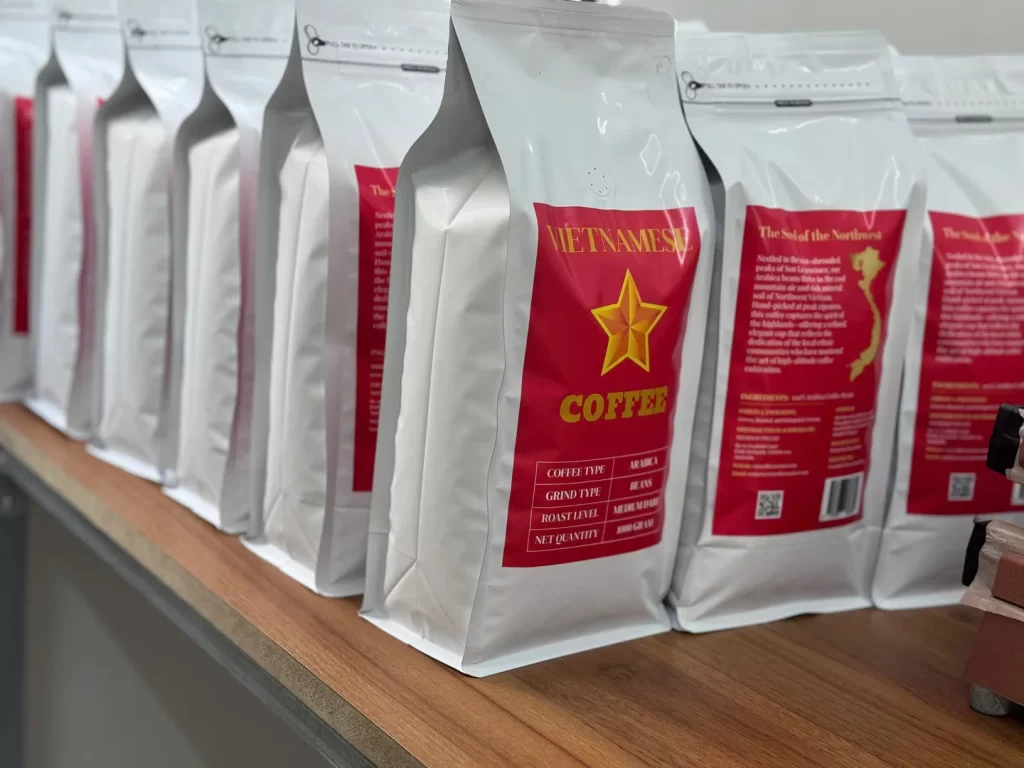
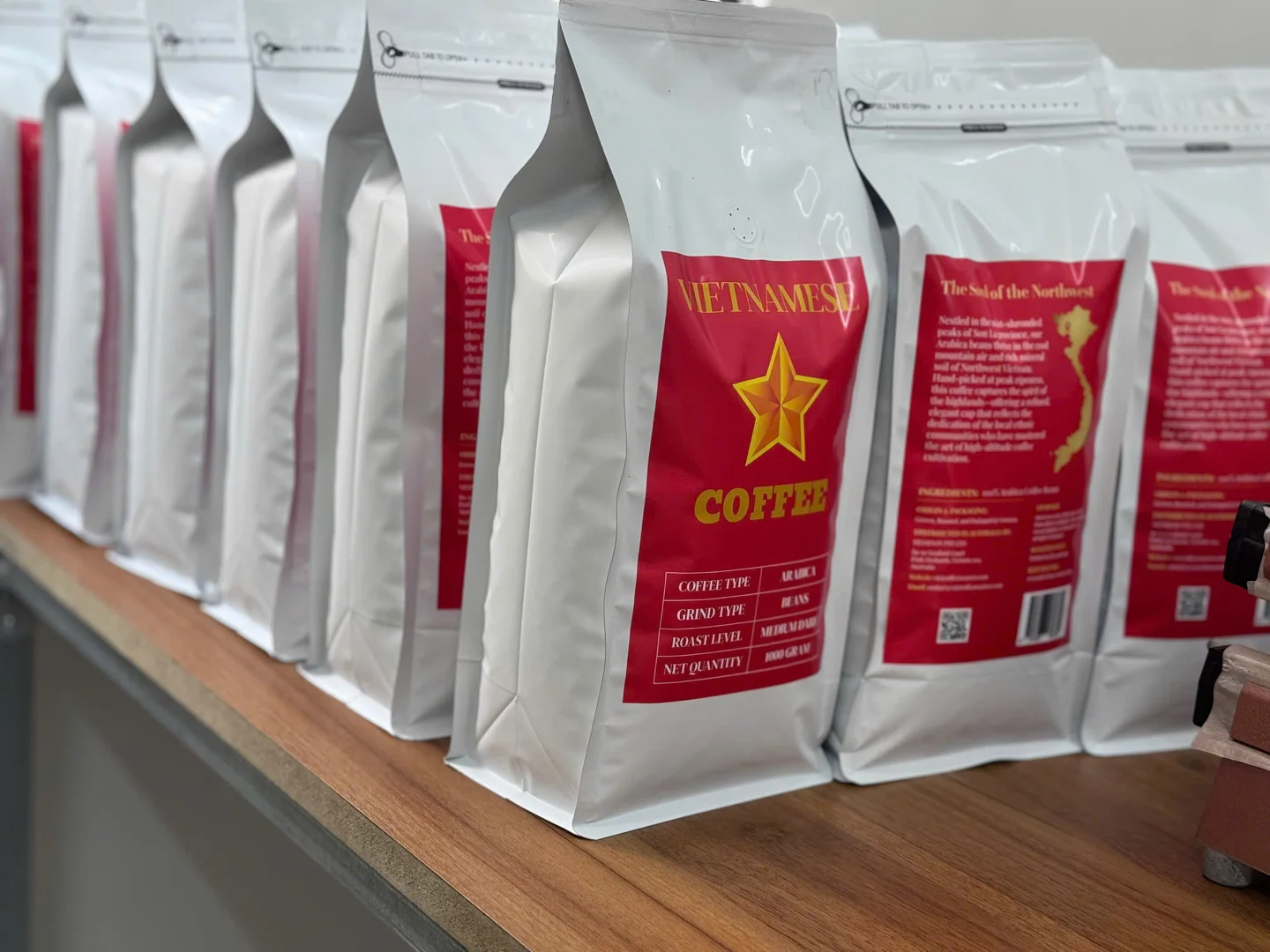
- Net weight per pack and whole-bean or ground format.
- Bag type and any valve, resealable closure or accessory requirements.
- Stock bags with labels or separately printed packaging.
- Who supplies artwork, and which design elements are ready.
- Label language and intended sales market.
- Packs per carton, outer-carton requirements and collection arrangements.
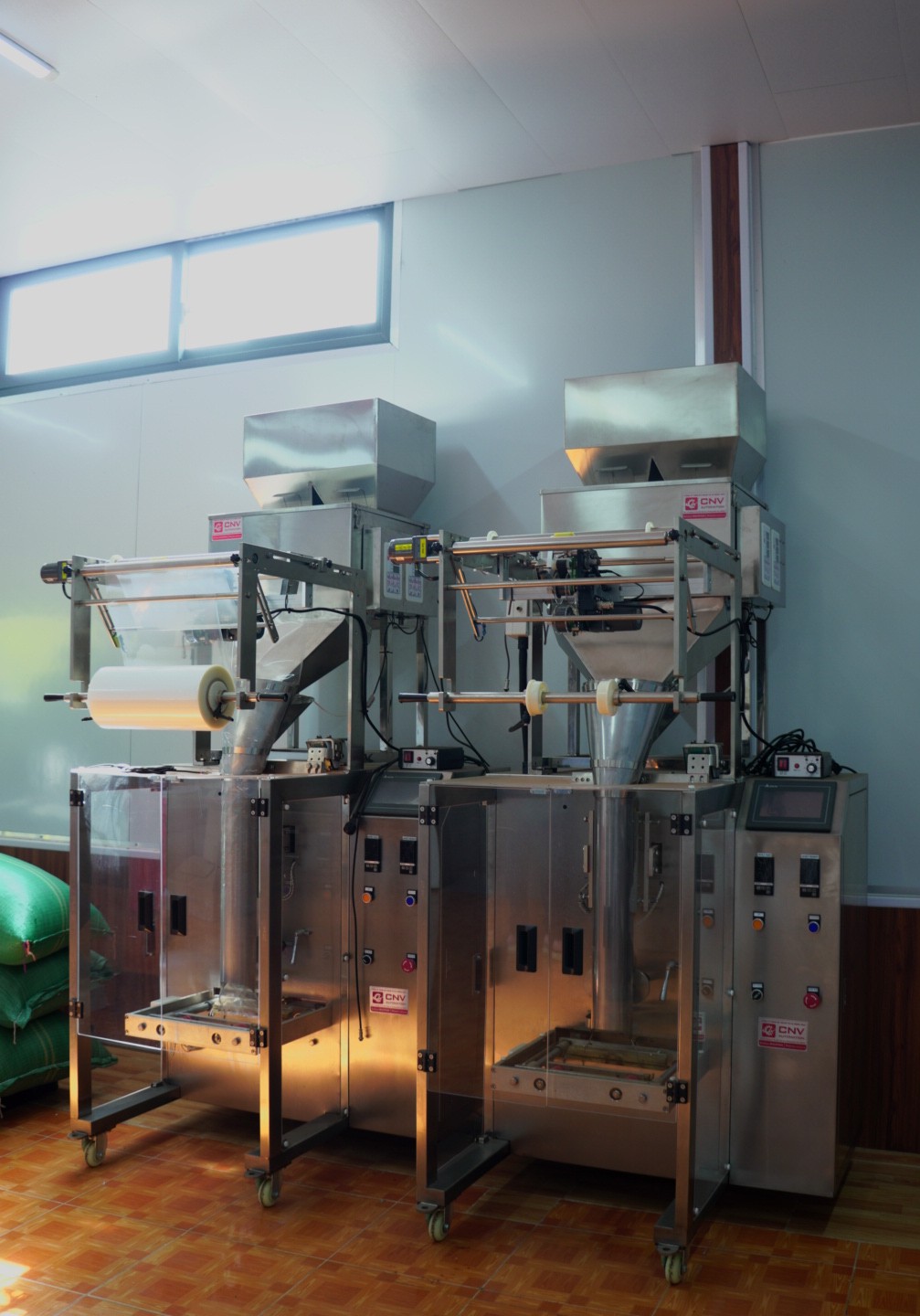
Ask the quotation to distinguish the included work from separately priced items: coffee, roasting, grinding, bags, labels, packing and transport. Agree a packaging configuration before treating two unit prices as directly comparable.
4. Agree samples, quality requirements and timing
Ask how samples are supplied, whether charges apply, how the samples should be evaluated and how approval will be recorded. For café products, assess coffee under real brewing conditions instead of relying on the aroma of the beans alone. Keep the recipe, equipment settings and feedback together so both parties can understand the approved sample.
Share your preferred delivery date and discuss the steps that must happen first: sample approval, artwork approval and production. A schedule should not be treated as fixed before the coffee and packaging are agreed. If you require quality documentation, identify the documents so the supplier can check availability for the proposed product and market.
5. Compare quotations on an equivalent basis
Review coffee type, roast, net weight, bag material, included work, taxes and delivery arrangements. Check whether the quoted unit is a kilogram of finished coffee or an individual pack. Record the quotation validity and proposed payment terms.
For an export project, identify the destination market, proposed delivery location and the scope you want the supplier to quote. Ask both parties to confirm the relevant responsibilities, documentation and individual cost items. Do not assume every quotation includes the same transport scope.
6. Copy this enquiry checklist
- Company, contact person and sales channel:
- Target market, customers and brewing method:
- Coffee line, desired cup profile or reference sample:
- Whole-bean/ground format and net weight per pack:
- SKUs and quantity per SKU:
- Bag, label and artwork requirements:
- Proposed delivery location and timing:
- Sample, document and consultation requirements:
Mark any undecided items explicitly. This helps the supplier distinguish a request for manufacturing against defined specifications from a project that needs further product development.
Discuss your B2B coffee project with SpringTime
If you have specifications or a reference sample, share them to discuss OEM scope. If you want to begin with existing formula and packaging foundations, explore ODM and private label coffee. You do not need every answer at the first enquiry; explain what is already decided and what you would like help to develop.
Read the OEM coffee manufacturing process for the stages from brief to delivery, or send your coffee quotation enquiry to SpringTime.
Plan purchasing after the quotation
For cafés and HORECA teams, compare the proposed supply arrangement with actual coffee usage, order frequency and receiving schedules. Read the café coffee demand and inventory planning guide before deciding the quantity for each order.
Pingback: Private Label Coffee Packaging Approval | SpringTime