

Planning corporate coffee gifts starts with the recipients, how they brew and the purpose of the programme. Choose the coffee format, pack size, branding scope and delivery plan after those questions are clear. An attractive set that is difficult to use may not create the intended experience.
This guide is for purchasing, marketing and HR teams preparing gifts for customers, partners or employees. It is a briefing framework, not a catalogue of ready-made gift configurations or a universal quotation.
1. Understand the recipients before choosing coffee
A gift used by a shared office team differs from one sent to a customer’s home. Find out whether recipients use a Vietnamese phin, an espresso machine or a grinder, or prefer a simpler preparation method. Where that information is missing, ask rather than assuming everyone has the same equipment.
The programme’s purpose also matters. An appreciation gift may prioritise ease of use and a personal message. A brand introduction needs clarity about the product the sender wants recipients to remember.
| Recipient group | What to understand | What belongs in the brief |
|---|---|---|
| Customers or partners | Use, receiving location and appreciation goal | Branding scope, message and delivery plan |
| Employees | Individual or shared office use | Number of sets and distribution method |
| Event participants | Collection in person or later delivery | Size, portability and required date |
2. Match the product to the brewing method
Whole beans require a suitable grinding and brewing arrangement. Ground coffee needs to match the intended method. Drip bags or immersion bags still need clear instructions and a practical trial before inclusion in a gift.
Do not replace testing with the word “convenient”. Ask someone representative of the recipient group to follow the instructions and note which steps are clear and which cause difficulty.
- Whole beans: check access to grinding and brewing equipment.
- Ground coffee: specify the application rather than choosing grind by intuition.
- Drip or immersion bags: assess use and the packing conditions confirmed by the supplier.
- Several products: identify each item and its corresponding instructions.
Explore the SpringTime coffee range to prepare the products you want to discuss. Combining them into a gift set, material availability and quantities require separate confirmation.
3. Separate existing-brand products from private label development
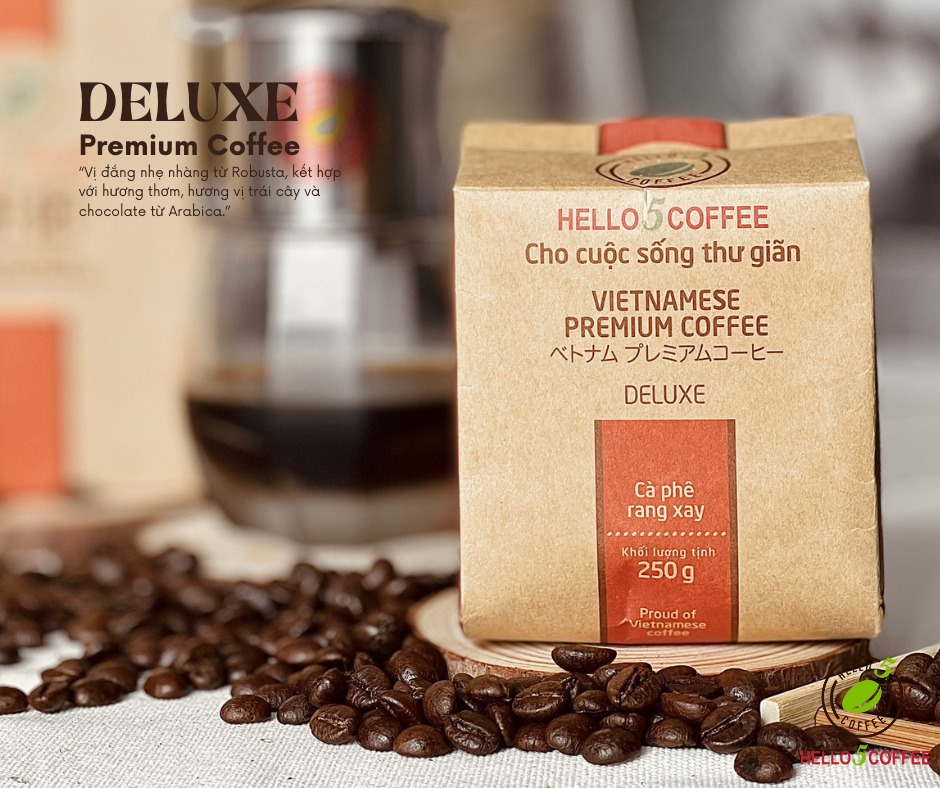
Clarify whether you want to give a product under its existing brand or develop one carrying your own identity. These routes involve different approvals, materials and work, rather than simply a different logo position.
For an existing-brand product, discuss permitted additional presentation, such as a card or outer materials where a suitable option is available. Do not alter product labels or treat an unapproved design as an available configuration.
A private label project also needs product requirements, sample approval, artwork and approval responsibilities. Start with private label coffee development; do not assume identical minimum quantities or timelines for every project.
4. Distinguish product packaging, gift presentation and shipping protection
These serve different purposes. Product packaging contains the coffee, gift materials create the presentation, and shipping protection supports delivery. A box that looks good in a photograph is not evidence that the completed set suits a multi-stage delivery route.
Check actual product dimensions before confirming the box. If a card, other item or several coffee products are included, record placement and identification to reduce assembly mistakes.
| Element | Agree | Check |
|---|---|---|
| Products | Range, pack size and units per set | Component list |
| Branding | Approved files, message and usage scope | Final sample |
| Presentation | Materials, dimensions and arrangement | A sample with the products inside |
| Delivery | Receiving points, carton allocation and contacts | Distribution plan |
5. Budget for the completed set
A quotation should distinguish coffee, packaging, branding materials, assembly and delivery. Purchasing can then see whether competing options differ in the product or the presentation work.
Do not compare a bag of coffee with a finished multi-component gift set and infer the difference is a product-price premium. Adjust one element at a time and check whether the overall experience still meets the programme’s goal.
This guide does not state prices, MOQ or production timelines without an assessed configuration. Provide expected quantity, required receiving date and scope so feasibility can be confirmed before making internal commitments.
6. Approve a complete sample and manage distribution
Agree how a complete set will be approved before scaling. Retain photographs, the version code, component list and approver so the production team has a common reference.
For multiple receiving points, manage distribution separately from design approval. Specify the receiving contact, number of sets at each location and handover record. Share only necessary recipient details with the service provider through the company’s process.
If the design changes between orders, use the coffee packaging version checklist to avoid mixing old and new materials unintentionally.
A corporate coffee gift brief
- Recipient group and programme goal.
- Expected brewing method or conditions of use.
- Products, units and pack formats to discuss.
- Existing-brand products or private label development.
- Budget and the elements it should include.
- Number of sets, receiving date and delivery points.
- Approvers for product, artwork and the complete sample.
Frequently asked questions
Are whole beans a suitable gift for everyone?
Not automatically. Check whether recipients can grind and brew them. If that is unclear, assess options that fit their actual conditions of use.
Can a company logo be added to the gift?
Discuss the proposed branding scope and obtain confirmation. Private label development differs from adding a card or outer presentation material.
Should we choose the box before the coffee?
Check dimensions, product format and set components together. Confirming a box before having product information may require later material changes.
What are the cost and preparation time?
They depend on products, materials, quantity and delivery. Submit a brief for assessment rather than assuming a standard rate or schedule.
Discuss corporate coffee gifts with SpringTime
Share the recipient group, expected quantity, branding needs and required date through SpringTime’s contact page. The next step is to clarify the product and scope that need confirmation before selecting an option.