

Before requesting samples for a private-label coffee brand, prepare a product brief that explains your customer, brewing method, sales channel, flavour direction and packaging needs. Separate confirmed requirements from questions that still need advice. This gives your team and manufacturing partner a shared starting point for product development.
For a project with SpringTime, start with the ODM coffee and private-label service. A brief describes the intended outcome; sample approval and commercial confirmation are separate decisions.
Define who will buy the coffee and how they will use it
A product for a café espresso bar has a different use case from coffee sold through a distributor for home brewing. Describe the primary buyer, where the product will be purchased and the equipment used to prepare it. If several channels are planned, identify the first launch channel rather than treating every use case as equally urgent.
Include practical constraints. A café chain may need a repeatable preparation method across locations, while a retail project may need clear brewing instructions and a pack format suited to its shelf. These requirements help explain why a particular sample should be developed.
A practical private-label coffee brief
| Section | What to provide | If undecided |
|---|---|---|
| Customer | Primary buyer and need | State the assumption to validate |
| Channel | Cafés, distributors, retail or import | Select the priority launch channel |
| Application | Brewing method, equipment and occasion | Request format advice |
| Flavour | Direction, reference sample and differences wanted | Describe what to retain or avoid |
| Packaging | Net weight, pack type, labels and SKU count | List options and constraints |
| Brand assets | Logo, naming and approved copy | Identify missing work |
| Commercial scope | Indicative quantity, market and target date | Mark these as subject to confirmation |
| Approval | Decision maker and acceptance criteria | Agree before sample review |
Distinguish facts from assumptions
An estimated sales volume is not a confirmed order, and a personal flavour preference is not customer research. Label each open item so that a partner can recommend options without assuming every requirement is final. Record the date and version of the brief when decisions change.
Turn flavour adjectives into usable feedback
Words such as strong, smooth or aromatic are difficult to interpret without a preparation method. Add a reference sample where available, explain what you like about it and state what should be different. Evaluate new samples under the agreed brewing conditions so feedback reflects the coffee rather than a changed recipe.
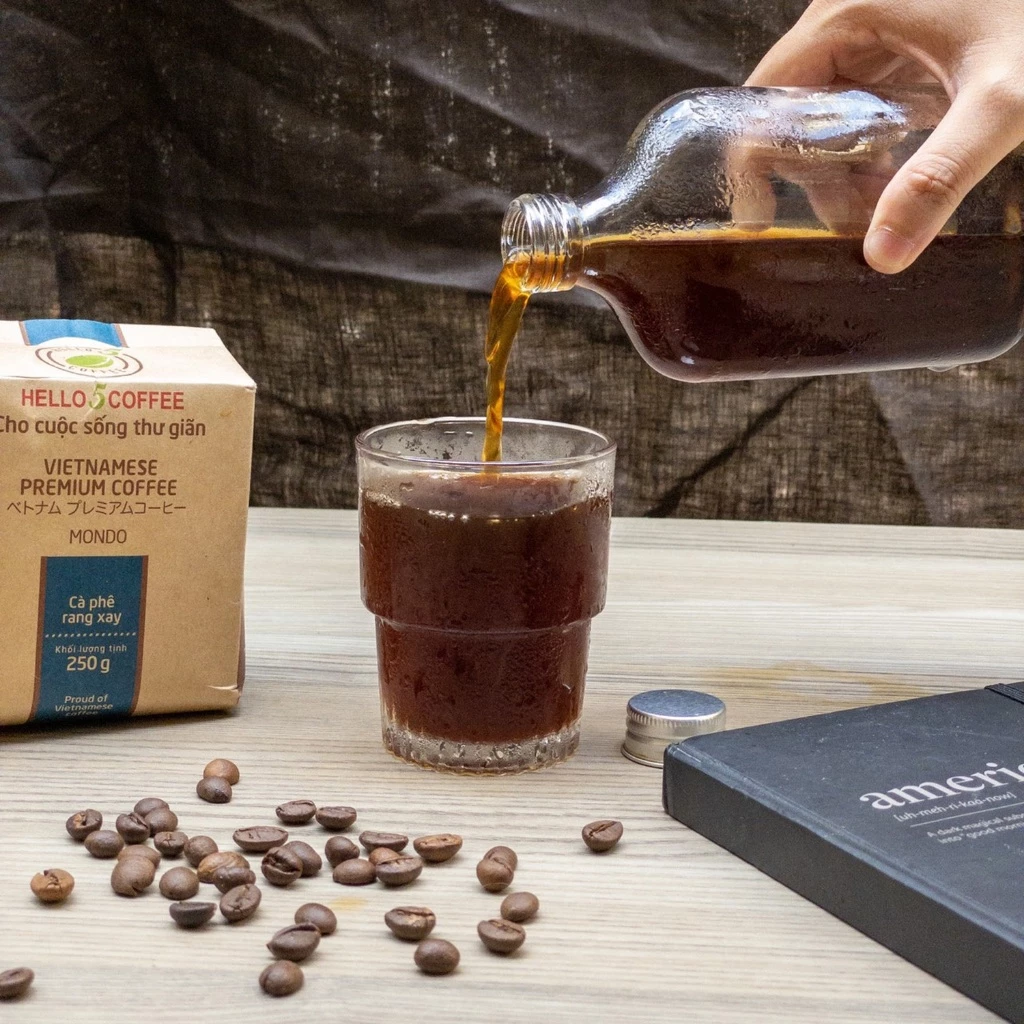
To turn a flavour direction into a sample trial, review private-label coffee blend development by brewing method and record the feedback and approved version.
Clarify whether the project needs ODM or OEM
If the business needs help selecting a product platform and adapting it for a brand, discuss the ODM scope. If a formula, specification and production requirements already exist, the work may be closer to OEM. The model name alone does not define ownership, exclusivity or rights to a formula.
Use the OEM versus ODM coffee comparison to frame the conversation, then review the private-label customisation scope checklist. Assign responsibility for product development, packaging and approval explicitly.
Separate product requirements from brand design
Attractive artwork does not confirm that the coffee suits the target channel. Keep one section for the product and brewing conditions, and another for packaging materials, artwork and label content. When a sample needs changes, this separation helps identify which part of the project must be revised.
List approved assets and claims. Do not treat a proposed certification, origin statement or performance claim as verified information. Identify who supplies supporting evidence and who reviews label content for the intended market before approval.
Convert the brief into a comparable quotation request
After initial discussions, define each SKU with its product format, packaging and responsibilities. Mark items awaiting sample or material confirmation. An indicative quotation should not be treated as a production commitment while important specifications remain open.
For manufacturing requests, use the OEM coffee quotation checklist. Keep the approved brief for repeat orders and record changes in a new version rather than overwriting the original decision history.
Frequently asked questions
Can we discuss a private-label project without a logo?
Yes. Start with the customer, channel and product objective. Identify the missing brand assets so both parties can define the support needed before packaging approval.
What if we do not know the blend ratio?
Provide the brewing method, desired flavour direction and a reference if available. Mark the formula as an area requiring advice instead of inventing an untested ratio.
Must we share a fixed budget immediately?
If an approved spending limit exists, explain what it includes. Otherwise, ask which product and packaging choices affect cost before comparing proposals with different scopes.
Should MOQ and lead time be fixed in the first brief?
State the desired quantity and launch timing as requirements to discuss. Applicable minimum quantities and schedules need confirmation for the specific product and packaging arrangement.
Discuss your coffee brand brief with SpringTime
Prepare the target customer, channel, brewing method, flavour direction, packaging options and open questions. Contact SpringTime about your private-label coffee brief to clarify the next development step.