

ODM coffee development starts from a product platform that your business can adapt for a private-label brand. Before approving a sample, define what stays unchanged, what needs customisation and how the result will be accepted. A logo change alone does not describe the product, packaging or responsibilities required for a commercial project.
Explore SpringTime’s ODM coffee and private-label solutions to understand the starting approach. This guide focuses on defining the customisation scope so your sample discussions and quotation requests have a clear basis.
Start with the customer and use case
A coffee product must suit its intended buyer, brewing method and sales channel. Coffee supplied to an espresso bar may need different evaluation conditions from a retail product prepared at home. Approving an attractive pack without a defined use case can leave important product decisions unresolved.
Describe who will drink the coffee, how it will be prepared, the taste direction and where it will be sold. Use that description to discuss a suitable starting platform. Mark uncertain requirements as questions for advice rather than presenting them as final specifications.
Map the scope of your ODM coffee project
| Area | Decision to make | Approval record |
|---|---|---|
| Product platform | Whole bean, ground or another suitable format | Platform reference and intended application |
| Flavour | Retain the starting sample or request changes | Approved sample and brewing conditions |
| Packaging | Adapt an existing structure or request a separate format | Pack size, material and artwork version |
| Label content | Who prepares and checks each information field | Final label version and approval |
| Handover | SKU mix, cartons and supporting records | Finished-goods list and delivery requirements |
For each area, record “retain”, “change requested” or “advice needed”. Avoid vague requests such as “the same sample, but better”. Describe the observed issue under agreed brewing conditions so a supplier can distinguish a flavour change from a preparation difference.
Formula changes and packaging changes are separate decisions
A formula adjustment may require another sample evaluation. A different bag size may require a review of materials and packing arrangements. Give each its own brief and acceptance criteria, and ask which development, material and production costs are included in the proposed scope.
Do not assume exclusive rights
A starting ODM platform should not automatically be described as exclusive to your brand. If you need specific usage rights for a formula, design or market, clarify that requirement with the partner and record the agreed scope. Avoid making exclusivity claims in marketing before the basis is established.
Make sample approval traceable
Record the sample reference, receipt date, preparation method, feedback and next decision for each review. Nominate one person to consolidate comments. Conflicting instructions from different departments can move the next sample away from the intended target.
- Test the sample with the brewing method intended for the end user.
- Separate flavour feedback from artwork feedback.
- Identify the version accepted and any items still open.
- Confirm whether later changes require another sample or quotation.
See white label vs private label coffee when deciding how much customisation the business actually needs.
Review the physical pack as well as the artwork
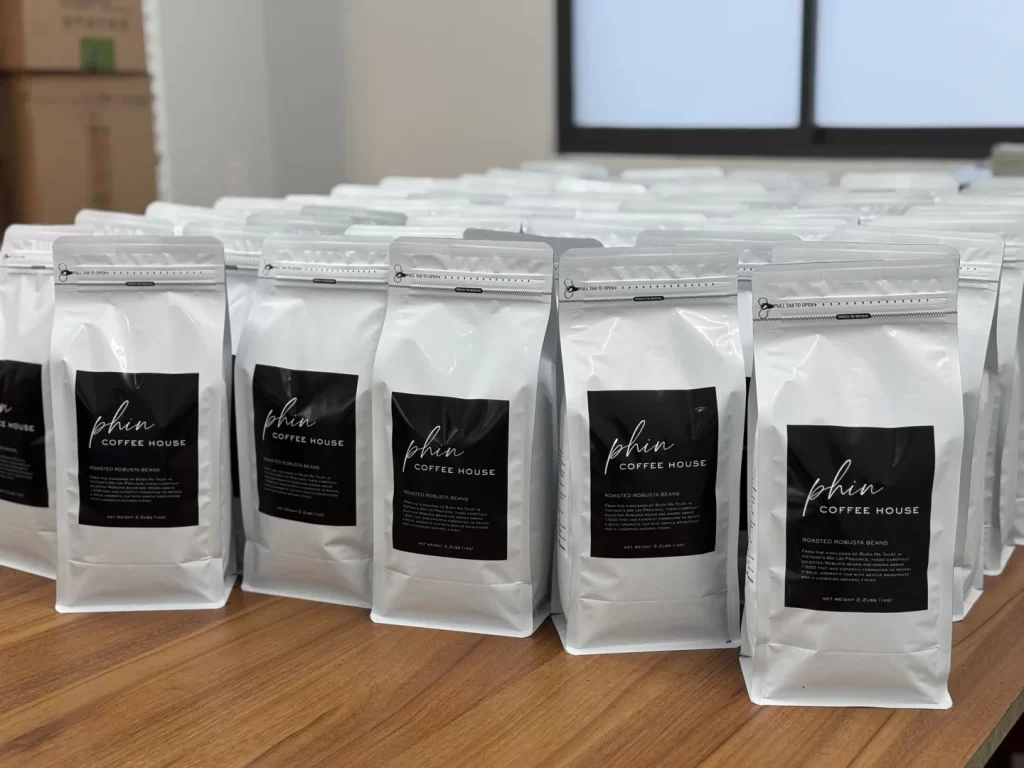
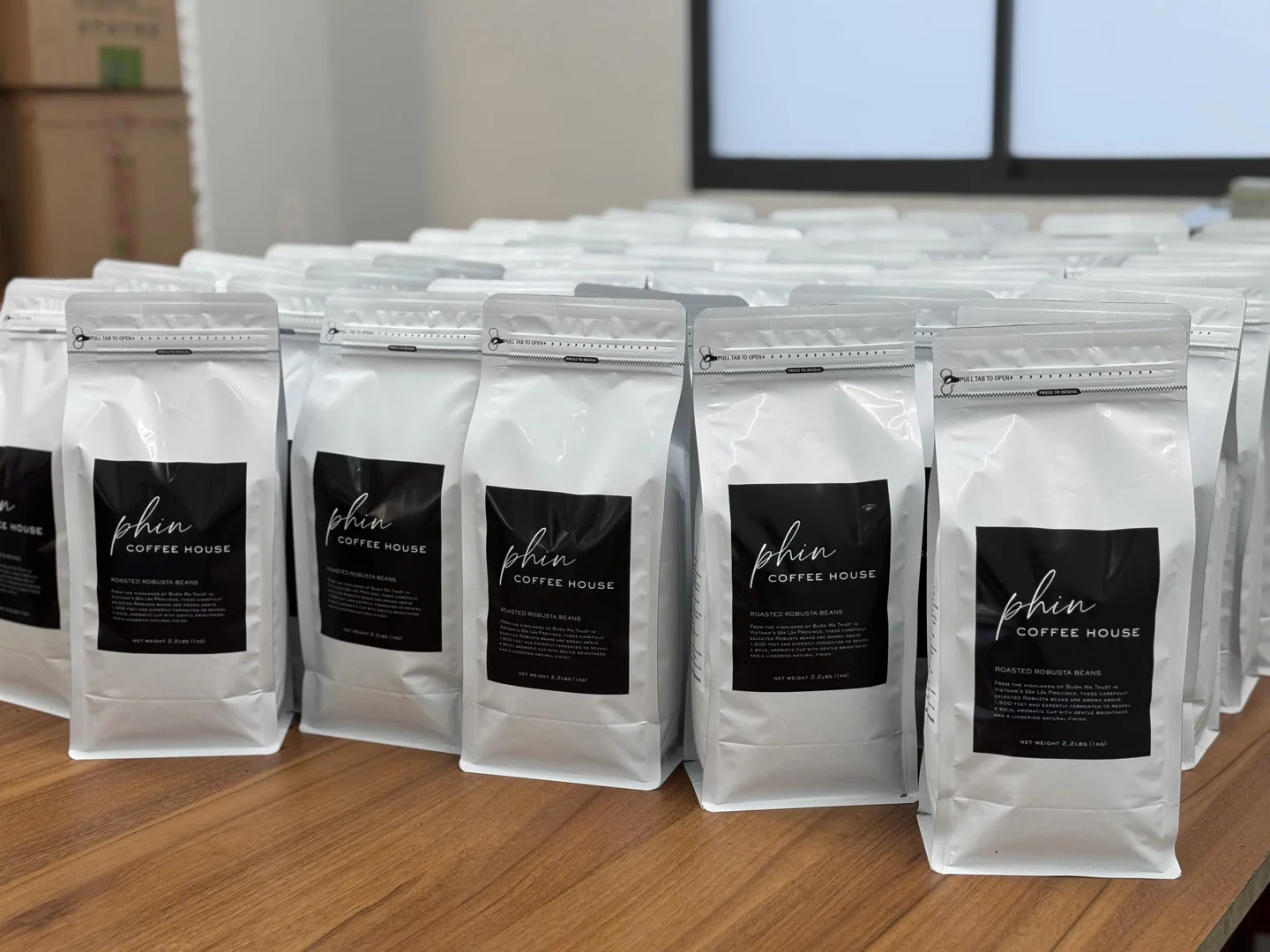
A screen proof cannot replace every check on a physical product. Review label position, readability, opening and resealing, agreed net weight and carton arrangement. Label information for the destination market needs an appropriate review before production.
Identify who supplies the product name, label text and SKU codes, and who approves the final version. Manage separate pack sizes as separate versions to reduce the risk of applying correct artwork to the wrong SKU. Our coffee packaging version checklist explains how to organise changes for repeat orders.
When should the discussion move from ODM to OEM?
If your business has defined formula and production specifications, ask whether an OEM scope is more appropriate. If the project still needs a starting platform, clarify that first before fixing the finished configuration. The service name helps assign responsibilities; it does not replace a written brief.
Use the OEM vs ODM coffee comparison alongside our OEM coffee manufacturing service to assess the project’s readiness and define the next discussion.
Frequently asked questions
Can we begin without our own formula?
Yes. Start the discussion with the target customer, brewing application, sales channel and reference flavour. Those inputs help identify a platform, while the final sample still requires approval.
Does ODM automatically include exclusive packaging design?
Do not assume so. Clarify brand adaptation, structural design and usage rights within the project scope.
Can we request a new flavour and pack size together?
Submit both requests for evaluation, with separate acceptance criteria. Confirm their effect on materials, costs and the proposed schedule before proceeding.
What are the MOQ and development lead time?
Ask for confirmation against the product configuration, customisation and packaging requirements. Figures from another project should not be treated as commitments for yours.
Discuss your private-label project with SpringTime
Send your target customer, product format, brewing method, reference sample and list of requested changes. Contact SpringTime to define your ODM coffee scope before sample development and production planning.