

Compare white label vs private label coffee through the actual scope: what changes in the product, who approves it and how packaging is customised. White label commonly describes branding an existing configuration, while private label may include deeper project requirements. Suppliers use these terms differently.
Choose based on inputs, deliverables and permitted changes rather than the service name alone. This guide supports brands, distributors and chains preparing a brief; it does not announce a standard ready-made white label package from SpringTime.
1. Separate terminology from the agreed work
One supplier may call any buyer-branded product private label. Another may reserve the term for a developed configuration. Without clarification, the buyer may expect product changes while the quotation includes only branding.
Ask which products are available, what can change and which approvals are included. Those answers are more useful for comparing partners than a label alone.
| Area | Existing-configuration approach | Requirement-led development |
|---|---|---|
| Product | Select an offered configuration | Discuss needs and feasible adjustments |
| Sample | Assess the selected product | Agree trials and approval scope |
| Branding | Confirmed label or material changes | Design against project requirements |
| Terms | Confirm for the actual configuration | Confirm for development work and materials |
This is a discussion framework, not a universal definition followed by every supplier. Start with SpringTime private label coffee development and describe the actual requirement.
2. When might an existing configuration suit the project?
Consider this route when the target customer and sales channel are clear but a unique flavour configuration is not yet necessary. Assess product suitability, then establish which branding changes are permitted.
Do not assume the route always means lower investment, small MOQ or fast delivery. Product, packaging and quantity determine the terms. New presentation materials may still require substantial preparation.
- Products available for selection.
- Labels and materials that can change.
- Product and finished-sample approvals.
- Conditions for repeating the configuration.
- Limits on using existing names, images and documents.
3. When is custom development worth discussing?
If existing products do not meet a particular menu, user group or sales application, explain the gap. Connect requirements to something testable rather than asking only for a “more distinctive” product.
Provide the preparation method, trial drink, format and desired adjustments so the partner can assess feasibility. Only confirmed changes should enter the product plan and marketing claims.
Explore coffee OEM manufacturing when requirements are defined. OEM, ODM and private label can appear in one project; clarify who specifies, develops and approves rather than inferring responsibility from names.
4. Ask about usage and change rights
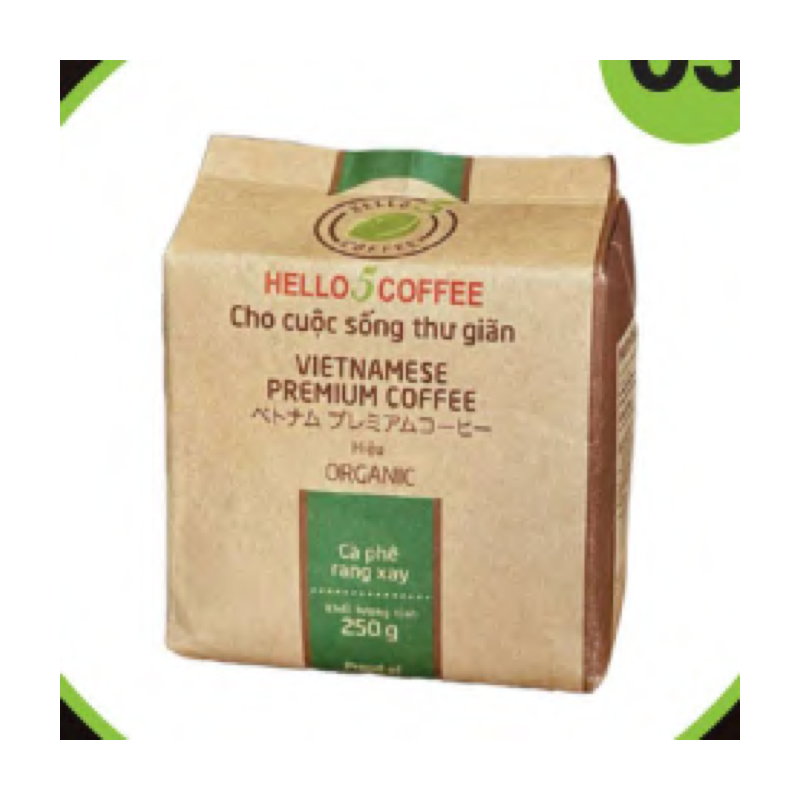
Clarify which records and files will be provided, who may edit them and how repeat orders are managed. A private label product does not automatically grant exclusive recipes, territories or ownership of all supplier documents.
Actual agreements establish rights and obligations. This article does not interpret legal clauses or confirm ownership for a project; it identifies questions the buyer should resolve.
| Question | Purpose |
|---|---|
| Who supplies the brief and artwork? | Identify inputs and revision responsibility |
| What can be adjusted? | Avoid expectations outside scope |
| Are usage conditions specified? | Do not infer rights from terminology |
| How are surplus materials handled? | Prepare for reorders or changes |
| What happens after an approved file changes? | Clarify work and order implications |
5. Compare quotations on equivalent scope
A product-only quotation differs from one including trials, materials and assembly. Separate the work so purchasing understands each party’s contribution rather than ranking suppliers only by bag price.
Ask about samples, design, materials, packing and delivery where relevant. MOQ and timing need confirmation for the specific requirement. Neither term determines the commercial conditions.
For market testing, the first-batch coffee guide helps define the learning scope. A limited trial still requires confirmation of feasible quantities with the supplier.
6. Keep an approval record for reorders
Retain sample codes, configuration, artwork version and approver regardless of the model. A repeat order should reference these records rather than only a photograph and a request to repeat the previous delivery.
Use the packaging version checklist for design changes. Product changes need their own trial and reference confirmation.
- Define the buyer need and sales channel.
- Separate existing elements from requested customisation.
- Agree trials, approvers and deliverables.
- Compare quotation scope and ordering conditions.
- Keep records for the first order and reorders.
Frequently asked questions
Are white label and private label identical?
Do not treat either as a fixed scope. Ask what product, branding and development work the supplier includes.
Does private label mean exclusivity?
Not automatically. Usage or exclusivity conditions require confirmation in the actual agreement.
Is white label always faster and cheaper?
No universal conclusion applies. Products, new materials, quantities and work determine the terms.
Does SpringTime offer a ready-made white label package?
Send the requirements so SpringTime can confirm a suitable configuration and scope. This comparison does not publish a standard package.
Discuss the right customisation level
Share your channel, target user, products of interest and proposed changes through SpringTime’s contact page before choosing the project approach.