



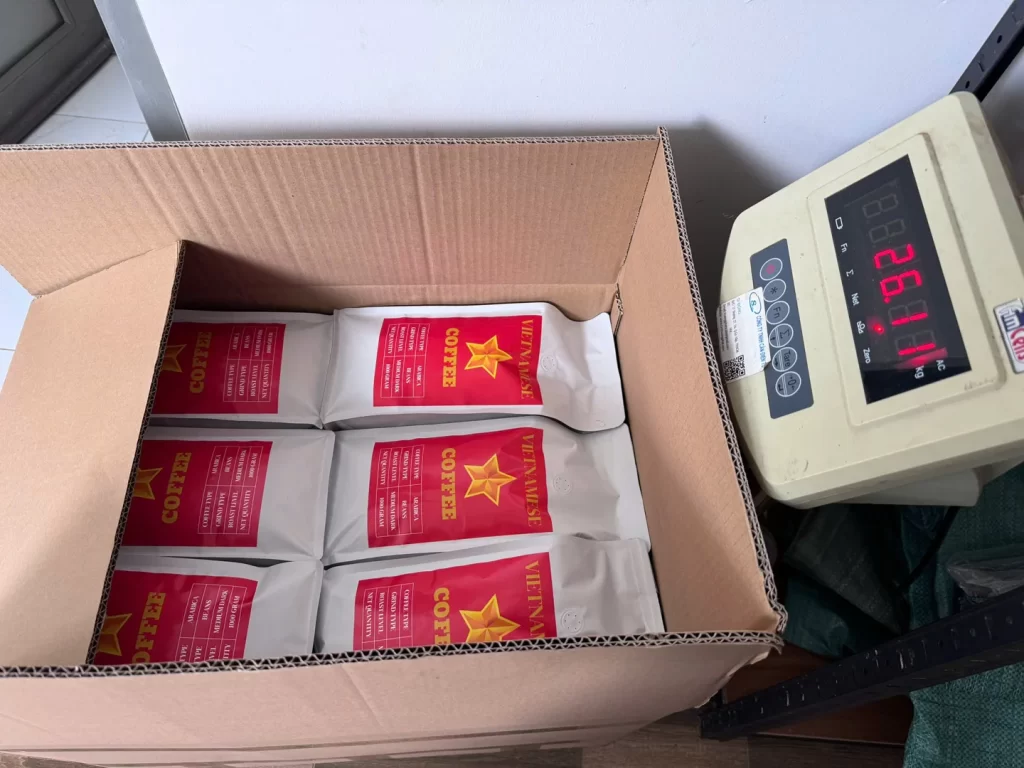
Coffee OEM receiving inspection means checking a delivered batch against the purchase order, approved sample and agreed product specification. Before releasing stock for sale, buyers should review quantities, packaging condition, product identification and sample performance, then record any discrepancies.
This checklist is intended for private-label owners, distributors and F&B purchasing teams receiving roasted whole-bean or ground coffee. It is an operational guide: sampling methods, acceptance limits and corrective-action responsibilities must be agreed for the actual order.
1. Prepare the reference documents before delivery
The warehouse receiver may not be the person who approved the coffee or artwork. Information kept only in a buyer’s messages makes it easy to receive the correct number of cartons but the wrong product version. Keep the current documents together and identify which version is approved.
- Purchase order and SKU list: product name, whole-bean or ground format, pack size and expected quantity.
- Approved sample or sample reference, tasting notes and recorded brewing conditions.
- Final label artwork and the batch or date information to be checked.
- Delivery note, packing list and contact for discrepancies.
- Agreed inspection method, authorised reviewer and reporting procedure.
Resolve missing criteria before the delivery arrives. The OEM process from brief to handover can help identify which information needs to pass between teams. A sampling percentage or weight tolerance found online should not become an order condition by default.
2. Record the delivery condition before opening cartons
Compare the delivered carton count with the documents, then look for crushed, torn, wet or apparently reopened cartons. Identify the affected cartons precisely. Photograph the overall carton and the specific area requiring review so the supplier can understand what was observed.
Acknowledging physical receipt and concluding that the product is acceptable are separate operational decisions. The effect of a signature depends on the actual delivery documents and agreement; do not assume every receiving signature has the same meaning. Keep discrepancy notes with the order record and send them to the agreed contact.
3. Reconcile SKUs, pack counts and weight
Count each product separately
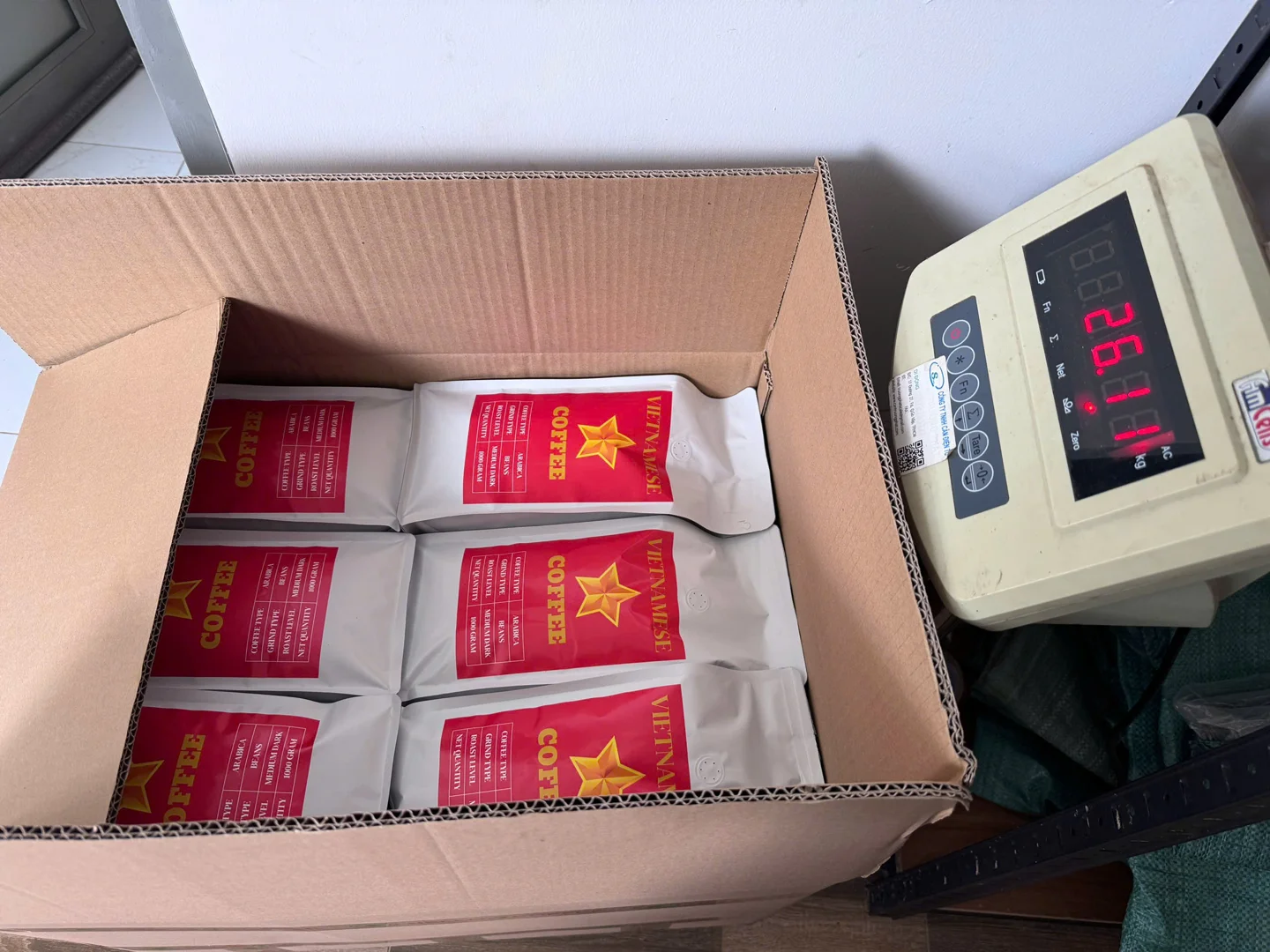
An order may contain several blends, roast profiles or pack sizes. Reconcile cartons, packs per carton and actual packs received for each SKU. Record samples or accompanying packaging materials separately so they are not counted as saleable stock.
For example, two similar-looking cartons containing different coffees need separate receiving entries. This illustrates a recording method, not a Springtime pack configuration. Outer carton labels help with sorting, but the contents still need checking under the agreed procedure.
Do not confuse gross weight with net weight
Gross carton weight includes coffee, pouches, the carton and protective materials. Weighing a complete carton therefore cannot by itself establish the net weight of individual packs. Agree the scale, tare procedure, units and recording method before using weight results to assess a delivery.
For a discrepancy, retain the reading and the weighing conditions so both parties can reproduce the check. Acceptance limits need an applicable product requirement and agreed method, rather than a conclusion based on one unexplained reading. Review coffee packaging by sales channel to keep retail packs and shipping units distinct.
4. Check packaging, label versions and batch identification
Examine pouch seals and areas that may have been damaged in transit. Where valves or zippers are specified, compare the received format with the approved version. Visual inspection alone does not establish every protective property of a pack; a concern may require the additional test method agreed for the product.
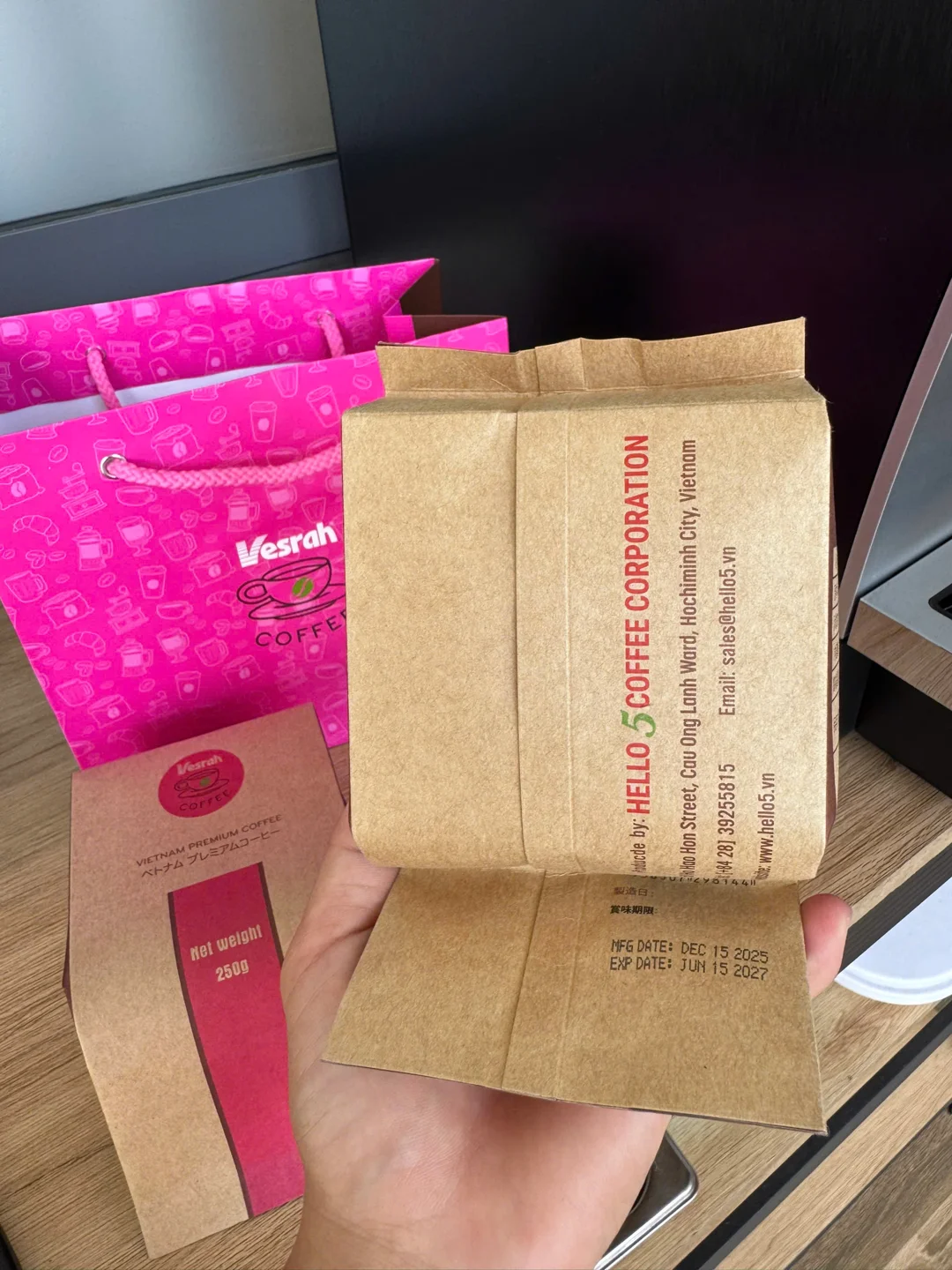
Read the product name, declared pack weight, artwork version, batch code and relevant date markings. Each product should be connected to the corresponding order and batch record. Label content also needs review for its destination market; warehouse receiving is not a substitute for pre-production label review.
5. Brew samples under comparable conditions
Select samples according to the agreed batch inspection plan and record their pack or carton references. Use the brewing method and equipment recorded at approval, noting opening date, grind setting, dose and any adjustments. Changing the coffee, water, machine and recipe together makes the source of a difference difficult to establish.
For café supply, assess the coffee in the drinks that will actually be sold. Separate observations about aroma, flavour, finish and menu suitability instead of recording only “different from the sample”. An older reference sample may also have changed with time and storage, so review its condition before drawing conclusions.
The café sample approval worksheet provides a way to keep observations consistent. Sensory review supports product assessment; it does not replace required safety testing or separately specified technical checks.
6. Use a receiving record with a clear decision
Include the order reference, batch code, receiving date, inspector and documents used for comparison. Record what was observed rather than relying only on a pass checkbox. Adapt this framework to the product and inspection scope.
| Check | Record | Compare against |
|---|---|---|
| Quantity | Actual cartons and packs per SKU | Order and packing list |
| Packaging | Condition and affected locations | Approved format and photographs |
| Weight | Readings, method and tare | Agreed inspection procedure |
| Labels and codes | Version, legibility and differences | Final artwork and batch record |
| Brewed sample | Sample reference, recipe and observations | Approval record and reference sample |
| Decision | Released stock, held stock and reviewer | Inspection record and agreed response |
7. Resolve discrepancies before releasing affected stock
Identify and segregate affected stock while retaining the evidence needed for review. Do not move that stock into a sale-ready status before a decision is recorded. Send the order reference, batch code, affected quantity, photographs and inspection results to the agreed contact.
One damaged pack should not automatically become a conclusion about the whole batch without reviewing the extent of the issue. Both parties should confirm the next action, responsible person and response timing. Replacement, additional delivery or another remedy depends on the actual order agreement; this guide does not create a default remedy.
When the issue is resolved, update the stock record and retain the final decision. Otherwise, goods awaiting review may accidentally be picked for sale, or accepted goods may remain unavailable in the inventory system.
8. Improve the next order using receiving feedback
Turn recurring ambiguities into clearer requirements for the next purchase: carton identification, artwork version, weighing procedure or sample approval responsibility. Before choosing a new manufacturer, use the coffee OEM partner evaluation checklist to discuss supporting records and discrepancy handling.
For background, the Viet Coffee Source quality-control overview also connects inspection with agreed product specifications. It is a general industry reference, not evidence of Springtime certification or a statement of Springtime’s own inspection procedures.
Frequently asked questions
Which documents are needed for coffee OEM receiving inspection?
Keep the purchase order by SKU, product specification, approved sample reference, final artwork, delivery documents and agreed inspection procedure available to the receiving team.
Can a full carton weight prove that individual coffee packs have the correct net weight?
No. Gross carton weight also includes pouches, the carton and protective materials. Use the agreed net-weight inspection method and appropriate tare procedure.
How many packs should be opened from each batch?
There is no single pack count suitable for every batch. Agree a sampling plan based on batch size, product format, risk and inspection requirements before checking the delivery.
What should a buyer do about damaged pouches or incorrect labels?
Identify and segregate the affected stock, retain batch references and photographs, then contact the responsible person to confirm the extent of the issue and the agreed corrective action.
Does a successful brew test replace product safety testing?
No. Brewing helps assess sensory performance and menu suitability. Applicable safety and technical parameters need separate checks using appropriate methods.
Discuss your coffee handover requirements with Springtime
Preparing coffee for a private-label brand or distribution programme? Share the product format, packaging, sales channel and inspection requirements so Springtime can discuss a suitable scope of support. Contact Springtime about your OEM project and clarify the handover information before production begins.