

Choosing coffee for café chains requires an agreed product, preparation instructions and a way to check results at each outlet. Sharing the same beans is a starting point. Teams also need identifiable approved samples, clear ownership and a practical feedback process.
This guide proposes an operating framework for purchasing and multi-outlet teams. Its records and checklists are suggestions, not certification standards, Springtime service commitments or reported results from a completed project.
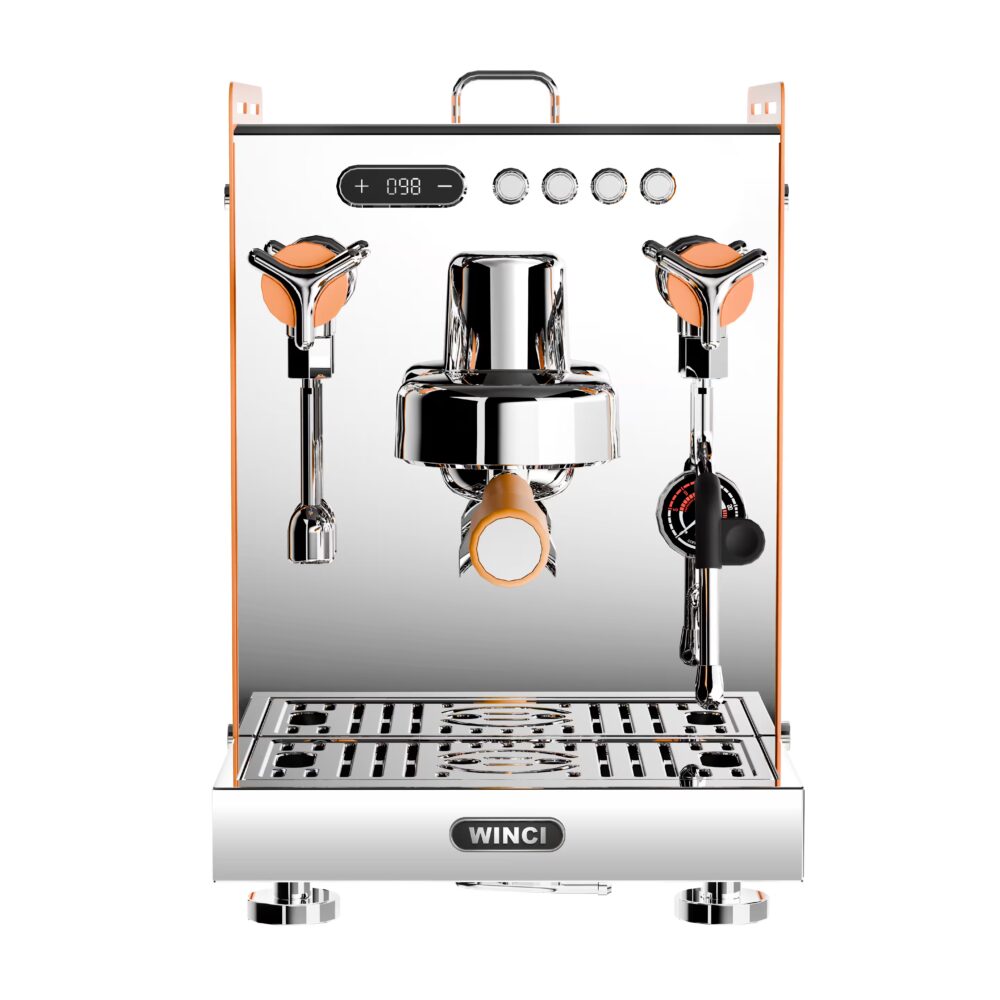
Why can the same coffee produce different outlet feedback?
When one outlet is reported to taste different, investigate the product and its use together. Stores might be using different batches, recipe versions or ingredient records. Immediately attributing the difference to the beans leaves important questions unanswered.
Equally, do not assume staff preparation is always responsible. Batch codes, opening records, equipment, recipes and the time of the observation help the operations team compare cases. Tie feedback to information that another person can check.
Define consistency as a checkable requirement
Describe the intended experience in the core drinks and the method used to assess it. A promise that every cup will be identical does not replace agreed requirements or a process for investigating results outside expectations.
If outlets use different equipment or service models, identify those differences at the outset. A shared drink objective may require preparation guidance tested and approved for the relevant outlet groups.
Establish shared records before rollout
Product and approved sample records
Record the product code, bean or ground format, pack, intended use and sample approver. Preserve the sample's identification and assessment conditions so departments can confirm they are discussing the same product.
Avoid using a broad internal description such as “strong beans” for several configurations. Clear codes connect ordering, receiving and feedback. If developing a proprietary blend, settle its intended flavour direction before deploying it across multiple stores.
Version-controlled recipes
A recipe record should identify the drink, measurement units, main steps, applicable equipment group and approver. Specific settings must come from the business's own relevant trials rather than an online example treated as a universal standard.
Include an effective date and version. When instructions change, withdraw or clearly mark the old version so different shifts do not use conflicting documents. Outlet managers need an agreed location for the current instructions.
Outlet records
Keep relevant equipment, ownership, receiving and storage information for each outlet. The purpose is to make feedback understandable, not to create paperwork without a user.
Retain fields that support checks or decisions. Teams without a dedicated system can begin with a shared form, provided responsibility and editing access are clear.
Assign purchasing and operational responsibilities
| Role | Decisions to agree | Handover record |
|---|---|---|
| Purchasing | Product codes, packs and supply terms | Confirmed proposal or order |
| Product lead | Drink objectives, approved samples and recipes | Sample approval and recipe version |
| Chain operations | Rollout, guidance and checks | Outlet acknowledgement of the current version |
| Outlet manager | Apply instructions and record differences | Shift log or feedback record |
| Supplier | Batch information and agreed support scope | Product identification and technical response |
This allocation is a proposed model. Roles may be combined depending on business size, but each decision still needs an owner who confirms the final version.
Pilot at representative outlets
Select trial outlets able to record conditions and provide useful feedback. If the chain has several equipment groups or service models, consider representation of those groups instead of choosing only the most convenient store.
Use the same drink list and recording method at each pilot location. Separate flavour observations, preparation difficulties and supply issues so the appropriate team can respond.
Summarise what has been accepted and what still needs adjustment. Wider rollout should follow confirmation of the product configuration and operating documents by the responsible person. Trial duration depends on the project; this guide does not prescribe a universal number of days.
Use a menu-based coffee sample approval record when preparing assessments. For initial sourcing and ingredient cost comparisons, review wholesale coffee for cafés.
Define shift checks and new-batch receiving
An initial briefing does not establish what later shifts are doing. Identify the checker, information to record and situations requiring escalation to the central team. Set the frequency around the chain's actual operation.
When a new batch arrives, compare product codes, packs and handover information before distributing it. Keep a record of which outlets receive which batch so a later investigation can be targeted rather than asking every outlet to repeat checks without context.
A short log can include the outlet, shift, batch, recipe version, drink checked, adjustment and confirmer. Make it practical during service: a detailed form routinely left incomplete will not help an investigation.
Where a central warehouse receives coffee, decide how batch information will reach the outlets. For direct delivery, identify the receiver and feedback owner. The coffee OEM receiving checklist can support the receiving portion of the system.
Handle differences through a shared sequence
Step 1: Record the observation
Identify the drink, time, outlet, batch code and recipe version. Attach relevant images or check results to the specific case. “Today's coffee is wrong” must become information that another person can investigate.
Step 2: Confirm current conditions
Check the product and instructions before making changes. Confirm that the outlet is using the intended code and recipe version, and identify any previous adjustments. Report changes to equipment or accompanying ingredients to the responsible person.
Avoid changing several factors without a record. If the team cannot establish what changed, the next result provides limited guidance for the investigation.
Step 3: Narrow the case and assign checks
In a hypothetical situation, one outlet reports a difference while the others do not. Begin by comparing that outlet's batch and conditions. If several outlets using the same batch report the same observation, purchasing and the supplier should jointly review product and handover information.
This organises the investigation; it does not establish who is at fault. Decisions about continued use or holding stock belong to the responsible people under the business's procedures and the actual circumstances.
Step 4: Record the response and update documents
Record checks performed, approved changes, ownership and the result after adjustment. If an official instruction changes, update its documentation. Do not let a temporary workaround become a new recipe without approval.
Track useful rollout indicators
- Outlets that have acknowledged the current recipe version.
- Check records containing the information required for comparison.
- Feedback classified by drink, outlet and batch.
- The status and owner of each open issue.
- Product or instruction changes awaiting handover.
These are proposed management measures, not Springtime performance figures. Define calculation methods and targets from actual operating data rather than treating an attractive percentage as evidence of quality.
Supply planning should also reflect outlet differences. Forecast consumption by location rather than dividing a chain total evenly when stores have different usage patterns. The café ordering and inventory guide covers that purchasing data.
Prepare a chain supply discussion
Share operating outlet numbers, equipment groups, core menu, product form and proposed delivery organisation. Separate current figures from expansion plans so a forecast is not understood as an order commitment.
Confirm the product and support scope: an existing product or a dedicated development, sampling, packaging, MOQ, delivery and project ownership. Do not assume every supplier provides training or equipment standardisation across all stores.
For a product under your own identity, discuss ODM and private label development. A clear brief helps establish which work is relevant before specific commercial terms are agreed.
Frequently asked questions
Is using the same beans enough for chain consistency?
It does not establish the outcome at each outlet. Teams also need shared drink objectives, version-controlled instructions, check ownership and records of actual conditions.
Can different machines use one instruction sheet?
Group the relevant equipment and test guidance under those conditions. Do not assume one set of settings suits every outlet without assessment.
When should a wider rollout begin?
After the responsible people confirm the product, representative outlet trial results and handover documents. Timing depends on the project; this article does not publish a standard schedule.
What should an outlet send with flavour feedback?
Send the drink, time, location, batch code, recipe version and adjustments already made. Those details help operations and the supplier narrow the checks.
Does Springtime publish one MOQ or support package for all chains?
This guide does not publish a universal MOQ or support package. Product, packaging, delivery and assistance require confirmation against the specific request.
Discuss chain coffee supply with Springtime
Preparing another outlet or aligning coffee requirements across existing locations? Send your menu, equipment groups, outlet scope and delivery model through Springtime's contact page to discuss a suitable scope.