

Blind coffee tasting for purchasing uses sample codes while keeping brand names and pricing out of the initial assessment. Document comparable preparation and collect independent notes. The result identifies samples worth further testing; it does not establish the quality of every future delivery.
This guide supports café owners, chains and purchasing teams comparing products in their actual drinks. It describes an internal selection trial, not a standardised professional cupping protocol or certified quality score.
1. Define the decision before inviting tasters
Choose one purpose: coffee for a milk-based drink, a configuration for a new menu or an alternative to the current product. Combining different objectives makes a summary score difficult to interpret.
Record the drink, intended customer and observations needed. Asking people to guess origin or price does not help if the actual task is choosing a menu product.
| Purpose | Observe | Appropriate outcome |
|---|---|---|
| Choose for a core drink | Results in the actual recipe | A sample for further confirmation |
| Compare configurations | Differences under agreed conditions | Better fit for the defined goal |
| Find a substitute | Fit with current requirements | Changes or retesting needed |
Review the SpringTime coffee range, then limit the session to a clear decision.
2. Code samples and separate commercial information
The coordinator retains a cross-reference between trial codes and original product codes. Cups or portions supplied to tasters should use the agreed identifiers without logos, prices or sales claims that establish expectations.
For example, A01 and A02 can identify a session’s samples. These are illustrative codes, not SpringTime products. Keep the key for traceability and open it after independent notes have been collected.
- Record trial code, source sample and version.
- Assign preparation, coordination and consolidation roles.
- Check identification during portioning.
- Exclude pricing and sales copy from the first review sheet.
- Retain the codes for follow-up trials.
3. Keep preparation comparable
Record equipment, recipe, other ingredients and serving method for each sample. Changing beans, grind and recipe together without documentation makes it harder to identify the source of a difference.
A project may need two rounds: comparison under agreed conditions, then application-specific adjustments. Report the rounds separately rather than treating them as one equivalent test.
For several locations, see coffee consistency across café chains. Selection at one café still needs confirmation under representative operating conditions.
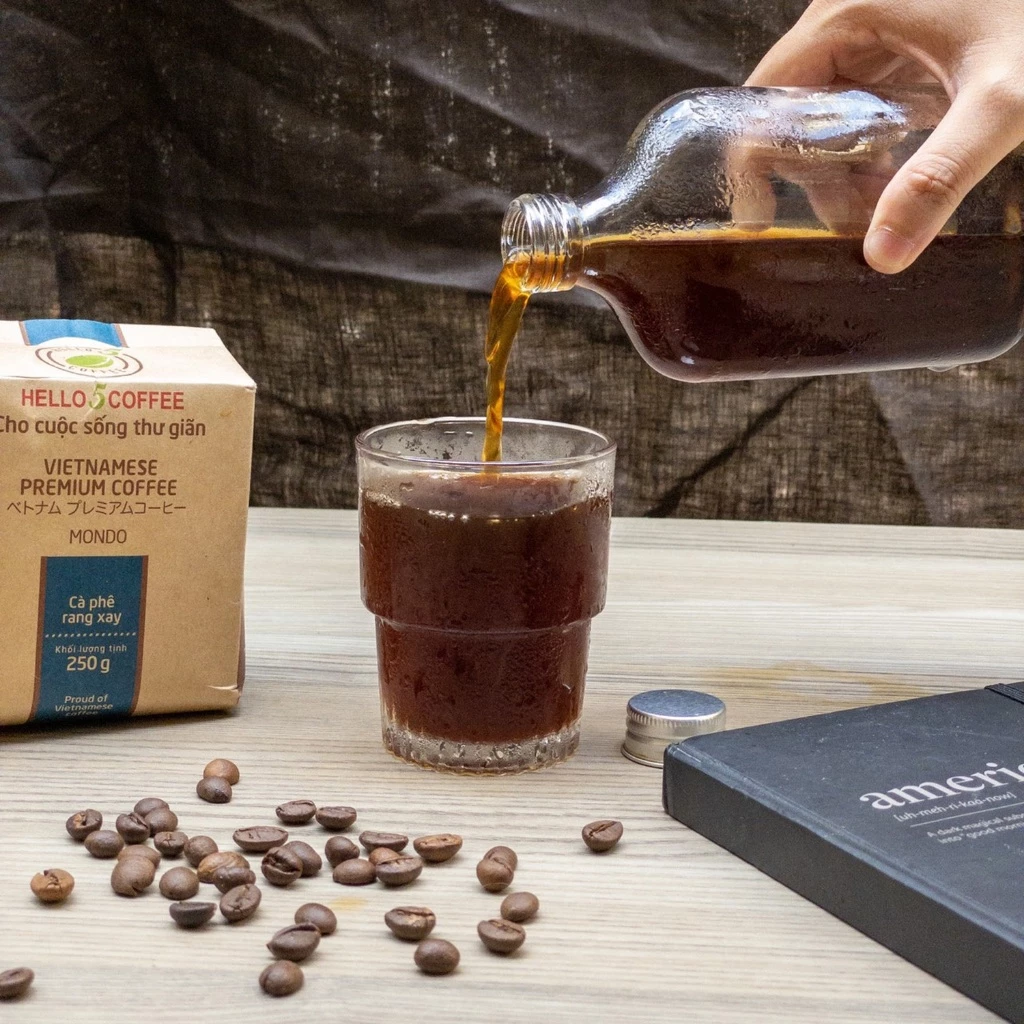
4. Use a short review form
A complicated scoring system is not essential. Sample code, drink, preparation, observations and next action can support an initial purchasing trial.
If using an internal scale, explain each level first. Do not present that result as certified professional scoring or compare it with a scale not used in the session.
| Field | Useful entry |
|---|---|
| Code and drink | The sample and serving method actually assessed |
| Observations | Specific descriptions rather than good or bad |
| Application fit | Needs met or not met |
| Uncertainty | Conditions needing another check |
| Recommendation | Retain, adjust or remove from this round |
Collect forms before group discussion so one opinion does not lead the session. Where views differ, check that people assessed the same drink and objective.
5. Reveal the key and compare commercial terms
After consolidating notes, reveal sample identities and review formats, ordering terms and quotations. A preferred sample may still need confirmation of reordering, delivery and related work.
Do not dismiss conflicting feedback only because the average is slightly lower. Identify whether it reflects preference, application or unclear trial conditions before deciding on a retest.
6. Select for confirmation, not the entire contract
The record should identify samples selected for the next step, requested changes and the approver. Commercial conditions, packaging and the first order require separate agreement.
Include coded observations in a coffee OEM brief for custom development. Use the export coffee sample checklist when coordinating with an overseas buyer.
Frequently asked questions
Does blind tasting prove which coffee is best?
No. It records responses from a defined group under specific conditions to support the agreed application.
Must we use cupping scores?
An internal purchasing trial does not require professional scoring. A professional method needs appropriate people and procedures.
Should prices be shown first?
If separating product response from price expectations is the goal, keep prices until independent notes are collected.
Can the winning sample go straight to a large order?
Confirm the reference, specification, ordering terms and actual operational trial before scaling.
Discuss samples with SpringTime
Share your core drinks, preparation and trial objective through SpringTime’s contact page to clarify the assessment scope.