



Coffee grind size should be specified alongside equipment, recipe and serving method, not only as fine, medium or coarse. For ground-coffee sourcing, share the intended preparation and approve a sample before ordering. One grinder setting is not a universal specification.
This guide helps purchasing teams, operators and brands create a usable ground-coffee brief. It does not replace application testing with a fixed recipe.
1. Why “ground for a machine” is incomplete
Equipment and recipes vary within a brewing category. A vague request asks the supplier to guess while the buyer expects an outcome that has not been defined.
Record equipment, filtering tools, coffee and water quantities and the intended drink. These describe trial conditions rather than an approved specification for every café.
| Application | Share | Observe |
|---|---|---|
| Vietnamese phin | Filter type, preparation and recipe | Flow and results in the drink |
| Espresso | Machine, brewing tools and recipe | Flow, drink result and repeatability |
| Filter brewing | Brewer, paper and pouring method | Drainage and results under the same recipe |
| Bagged brewing product | Bag structure, tools and instructions | Performance under intended use |
Use the SpringTime coffee range to identify products for trials. Buyers grinding beans themselves still need to assess the configuration on their own equipment.
2. Grind adjustment belongs within a controlled trial
In its espresso guide, Baratza advises keeping dose consistent during grind adjustments, making small changes, retesting and recording them. This helps avoid changing several factors without a useful comparison.
Sourness or bitterness alone does not establish grind as the cause. Check preparation, recipe and equipment, and record observations before assigning a cause.
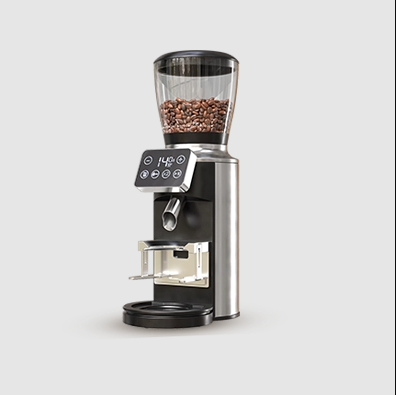
3. A setting number is not a shared specification
A dial number helps operate that grinder, but does not define equivalent output between machines. Even when settings share a name, confirm the result through the sample and application.
Provide a reference sample with its code and preparation details where available. Agree reference records, evaluation conditions and when retesting is needed rather than requesting only “setting five”.
- Product code and required format.
- Brewing method and equipment.
- Trial recipe and assessed drink.
- Identified reference sample, if available.
- Approver and confirmed outcome.
4. Keep sample trials traceable
Select the trial configuration, follow equipment guidance and record the result. Make deliberate changes while retaining the other conditions in the record.
Do not mix several ground samples before assessment. Give each a code. If shifts produce different results, investigate operating conditions before concluding that the whole batch is wrong.
The blind café sample-review form can support independent feedback. Final project specifications still need separate confirmation.
5. Confirm the handover requirement after approval
Connect product code, reference sample, grind format, packaging and application on the order. A photograph of grounds alone is not an adequate repeat-order specification.
| Record | Include |
|---|---|
| Reference | Sample code and selected application |
| Format | Ground product, packaging and order quantity |
| Assessment | Equipment, recipe and evaluator |
| Feedback | Information needed when differences appear |
Discuss roasting, grinding and packing requirements through coffee OEM manufacturing. Price, MOQ, timing and feasibility need confirmation for the actual order.
6. Reassess after equipment or method changes
A sample approved for one application does not automatically apply to a different brewer or product. Review what was tested and update records when changing equipment, recipes or bagged formats.
For several outlets, use the café-chain consistency guide to track equipment and preparation.
Frequently asked questions
Can espresso and phin use one grind?
Do not assume so. Trial the tools and recipes for each application.
Can an order use only a grinder number?
That is not a universal standard. Use an agreed sample and application record.
Does sour coffee always need a finer grind?
No conclusion follows from that observation alone. Check preparation variables and document adjustments.
Should several factors change together?
Control and record changes so comparisons remain useful.
Discuss ground coffee with SpringTime
Share the method, equipment, recipe and products of interest through SpringTime’s contact page.