

Wholesale roasted coffee for distributors should be selected around the buyer’s customers, brewing methods and expected sell-through, rather than price per kilogram alone. A focused starting range, documented sample review and clear repeat-order specifications help a distributor explain the products and manage inventory.
This guide is for businesses starting a coffee distribution range or adding coffee to an existing wholesale offer. Supplying an established brand and developing your own private label are separate buying routes and should be discussed separately.
1. Define the customer before selecting the coffee
Your customers may be café operators, food-service chains, offices or retail consumers. A café needs coffee that works in its menu; a retail outlet needs information its staff can explain; an office needs compatibility with the equipment already in use.
Ask prospective accounts how they brew, which flavour direction they want, whether they buy whole beans or ground coffee and how they order. Those answers are more useful than filling a catalogue with products whose roles are unclear.
- Cafés: evaluate the coffee in the drinks actually sold, including milk and ice where relevant.
- Retail outlets: establish how staff will explain flavour, brewing and pack format.
- Offices: match the product to the existing machine and serving routine.
Use the SpringTime coffee range as a starting point for discussing requirements, rather than assuming every available product belongs in the first order.
2. Give each product a clear role
A starting assortment should solve distinct customer needs. Two products that differ mainly in name can confuse sales staff and split demand for essentially the same application.
| Range role | What to define | How to check it |
|---|---|---|
| Core product | Main customer group and menu | Test in the customer’s usual recipe |
| Supporting product | An unmet customer requirement | Record actual requests from accounts |
| Differentiated product | A specific reason to choose it | Blind comparison and a clear description |
There is no universal number of SKUs for a new distributor. Prioritise the ability to explain and track each product, then expand once you know who buys it, how it is used and whether customers reorder.
3. Review samples using the same record sheet
A sample that tastes good at one meeting is not a complete purchasing specification. Record its code, the supplier-confirmed roast date, storage conditions, equipment, coffee dose and brewing recipe. Keep other conditions comparable when changing samples so that recipe differences are not mistaken for product differences.
Your internal sheet can cover aroma, flavour, finish, performance with milk or ice and suitability for the target menu. This is an internal decision tool, not a certification or a mandatory professional scoring system. Where several people taste, record individual observations before discussing the result.
A species name alone does not define the finished taste. Roast, blend and use case should be discussed alongside the raw material description.
4. Compare quotations on the same specification
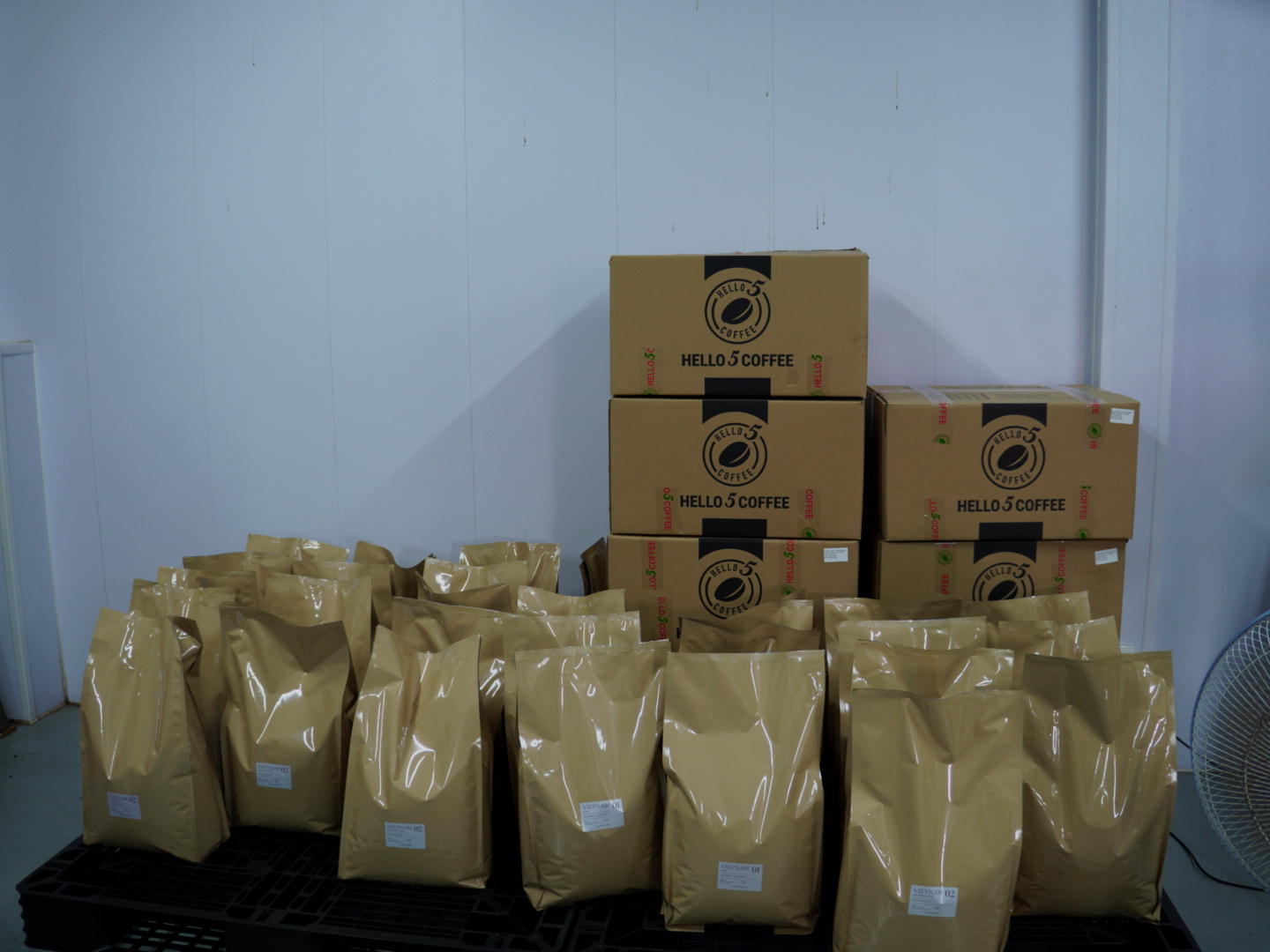
Two prices per kilogram may cover different scopes. Check the product description, whole-bean or ground format, bag weight, label, outer carton and whether delivery has been included.
Separate purchase price from your own costs of serving customers, such as outbound delivery, sampling, storage and agreed returns handling. For café accounts, performance in the actual drink recipe can be more useful than comparing two headline prices.
- Which product and pack specification does the price cover?
- How are tax, delivery, bags and outer cartons shown?
- What payment terms and quotation validity apply?
- How will incorrect or damaged deliveries be handled?
- Who approves a specification or material change before the next order?
This article does not publish a universal SpringTime price, MOQ or delivery promise. Minimum quantities, production requirements and timing need confirmation for the specific product, packaging and order.
5. Separate established-brand distribution from private label
For an existing brand, clarify the product names, sales information, permitted use of images and the applicable commercial policy. Do not describe the arrangement as exclusive unless that scope has been agreed.
For your own brand, prepare identity requirements, approved samples, packaging specifications and responsibility for the information you supply. Review ODM and private-label coffee development to understand the additional work involved.
If your project already has roasting, blending or packing requirements, discuss OEM coffee manufacturing. A quotation for distributing a finished branded product should not be treated as a quotation for a custom manufacturing project.
6. Agree how repeat orders will work
Keep the approved product code, bag specification, label version, lot information and a named contact for discrepancies. Reference the correct version on every reorder, particularly after a packaging or product change.
Base replenishment on sell-through and confirmed supply arrangements. Track available inventory, customer commitments and required receipt dates. Do not assume that lead time, price or availability will be identical across all products or orders.
Supplier enquiry checklist
- Target customers and distribution area.
- Brewing method, flavour direction and reference product.
- Whole-bean or ground format, bag size and carton requirements.
- Expected quantity, delivery location and required receipt date.
- Existing brand or private label, and the sample approver.
- Commercial and product details requiring written confirmation.
Frequently asked questions
Should a new distributor start with many coffee products?
Build the range around customers you can realistically serve. Give each SKU a clear role and expand after reviewing feedback and repeat orders.
Is price per kilogram enough to compare suppliers?
No. Compare the same product, packaging, delivery and payment scope, and check that samples suit the customer’s brewing application.
Should distributors buy whole beans or ground coffee?
It depends on the end customer’s equipment and routine. For pre-ground products, confirm the brewing method and approve a sample before agreeing the grind.
What MOQ and delivery time apply?
They require confirmation for the specific product, packaging and order. Conditions agreed for one product should not be assumed to apply across the range.
Discuss a distributor coffee supply enquiry
Send your customer profile, brewing method, pack requirements and expected quantity through the SpringTime contact form. These details provide a basis for discussing products, samples and supply options; commercial terms remain subject to confirmation for your enquiry.