



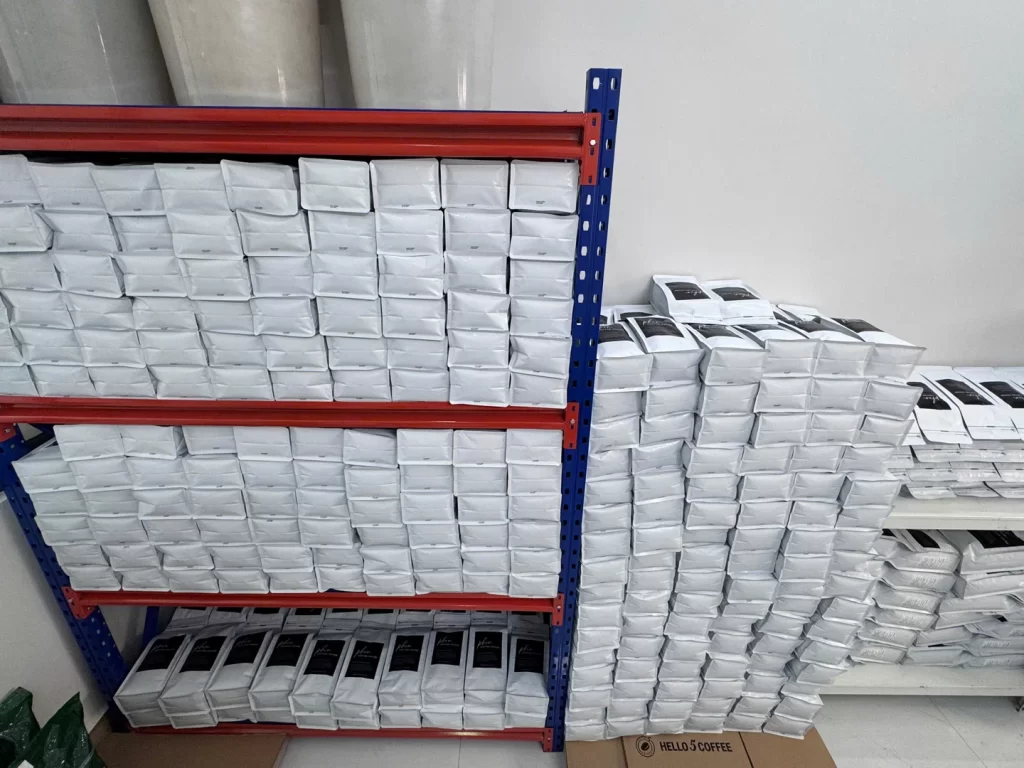
Coffee contract packing needs a clear division of who supplies coffee, who supplies materials and what finished output is handed over. A business that already owns roasted beans or grounds is not necessarily commissioning a complete roasting project.
Prepare input information, intended packs and work scope before requesting a price. Springtime acceptance of externally supplied coffee, materials and configurations requires assessment; this guide does not promise universal acceptance.
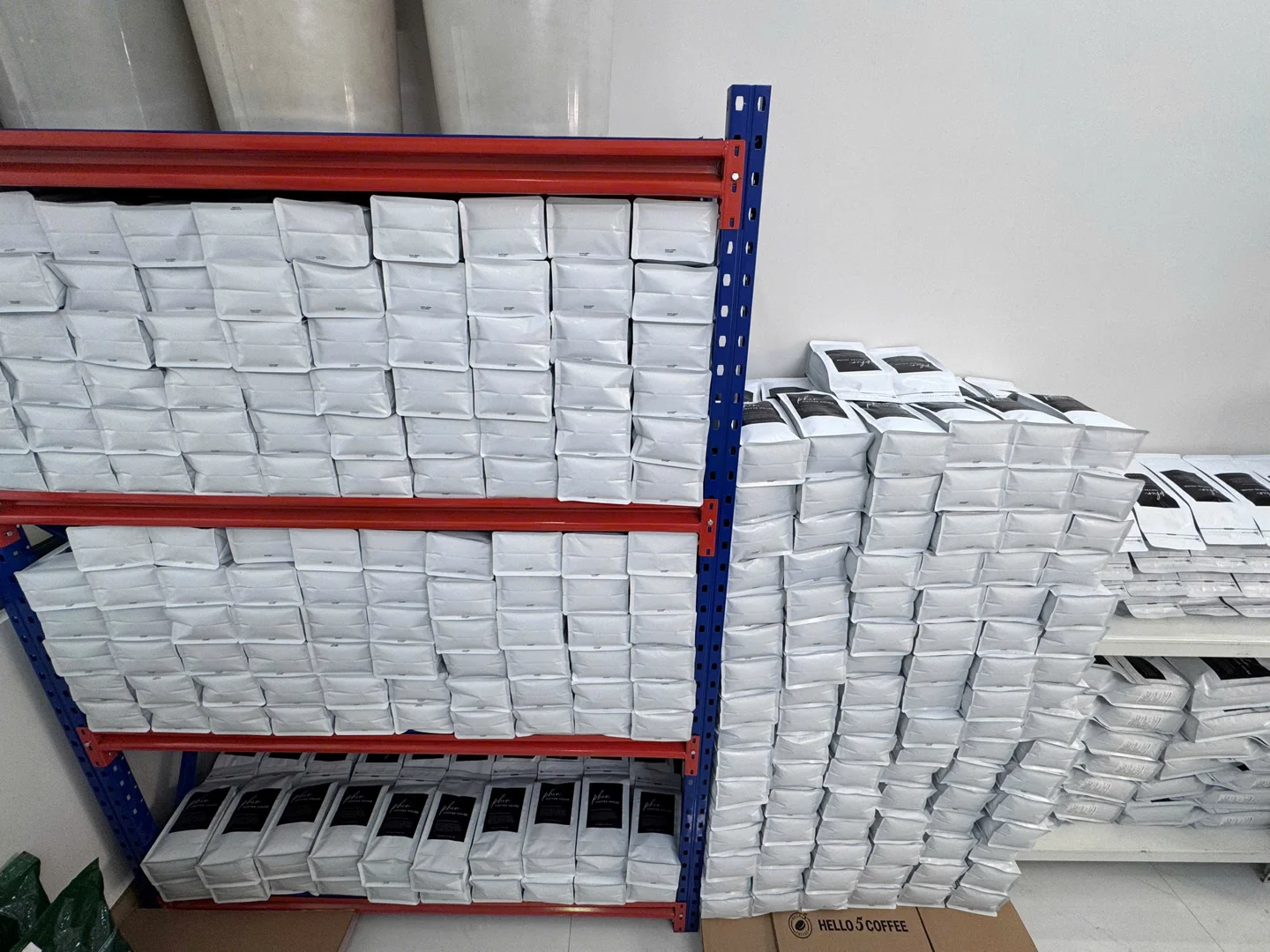
Distinguish packing from complete production
A packing-only scope may start with customer-supplied coffee. A broader project may also involve sourcing, roasting, grinding or development where agreed.
State which stages are complete and which work is requested. If the coffee itself is not settled, discuss the wider OEM manufacturing scope rather than only asking for a per-pouch packing price.
Prepare input records
Identify beans or grounds, expected quantity and available batch information. For grounds, describe the agreed application rather than leaving the operator to infer that more grinding or blending is required.
Confirm acceptance checks and cases that cannot be handled before shipping materials. Actual inputs and responsibility boundaries require assessment.
- Product form, identity and composition information.
- Available batch, source and relevant date records.
- Quantity and transport packaging.
- Checks and response to unsuitable inputs.
- Decision contacts for changes or a pause.
Allocate pouches, labels and cartons
Several material-sourcing arrangements may be discussed, but each needs approval from the executing party. Customer-purchased pouches are not automatically compatible with every machine or process.
Review materials and a finished sample before ordering the full quantity. Agree artwork versions, batch identification, required information and excess-material handling.
| Item | Assign | Approval record |
|---|---|---|
| Coffee | Supplier, inspector and discrepancy owner | Lot list and receipt record |
| Pouches and labels | Purchaser, approver and suitability reviewer | Material sample and artwork version |
| Packing | Format and executing scope | Approved finished sample |
| Cartons and delivery | Unit, quantity and receiving point | Packing list and receipt check |
Use the private-label product and packaging scope to decide the intended format. This article focuses on responsibilities in outsourced packing.
Approve the actual finished configuration
A sample should represent the proposed coffee, materials and packing configuration. Assess identity, printed information, opening and handover format against the agreed requirements.
A flat artwork file alone does not approve every part of the physical configuration. A pouch, label or information change needs a named reapproval procedure. Follow the product brief and packaging preparation checklist; actual declarations, instructions and shelf life need responsible product-specific confirmation.
Reconcile coffee and materials
Record accepted coffee and material quantities, finished units and remaining items. Track losses or held goods from actual records and agreements, not a universal assumed rate.
Define the treatment of unused inputs, nonconforming units and additional work. The purpose is a usable reconciliation between parties, not only a final pouch count.
A reconciliation record for coffee, materials and finished packs
Agree the record format and units before work begins. Kilograms of coffee cannot be reconciled directly against a count of empty pouches, and the gross weight of a container is not its net coffee weight. Mark unmeasured or unchecked items explicitly rather than recording them as zero.
| Record line | Information to capture | Handover check |
|---|---|---|
| Coffee received | Lot reference, beans or grounds, quantity and condition at receipt | Separate delivered inputs from inputs accepted for use |
| Pouches, labels and cartons | Material code, version, unit and quantity received | Reconcile each material separately |
| Accepted finished goods | SKU, pack format, unit count and batch identity | Match the approved sample and actual delivery list |
| Goods on hold | Quantity, reason, storage location and decision owner | Keep separate from accepted stock until resolved |
| Remaining inputs | Unused coffee and materials, with their disposition | Confirm storage, return or handling under the agreement |
Compare matching units and statuses
For each material, compare the received quantity with usage, remaining stock and documented discrepancies. For coffee, clarify how the production input, finished output, retained samples or held quantities will be recorded where applicable. Agree the recording method before using the worksheet to assess variances.
Do not impose a universal loss allowance across products and equipment. Keep records, lot references and checks for any discrepancy so its cause can be investigated. A final pouch count alone does not reconcile every input.
Pause the affected work when an input changes
If coffee, pouch dimensions, labels or batch information differ from the approved version, contact the authorised decision maker before continuing the affected stage. Record the replacement version and what needs checking again. This helps prevent a delivery containing multiple configurations under a single-version record.
Compare contract-packing quotations
Link each quotation to the input form, pack, materials, quantity and work. Identify setup, checks, labels, cartons, taxes or delivery where included in the proposal.
A labour-only packing offer is not directly comparable to one including coffee, pouches and delivery. Agree whether the charge is per pouch, box, kilogram or another defined item. Use the B2B quotation checklist to provide a complete brief.
Inspect handover and retain versions
Compare the batch with the approved sample, identification, quantities and packaging checks. Keep the packing list and contacts for evidence-based feedback.
Before reordering, confirm whether inputs or materials have changed. A revised configuration requires updated records rather than a quantity-only repeat request.
If the scope expands to roasting or grinding, review the OEM coffee process from brief to handover and agree the added steps before confirming the order.
Submit inputs for assessment
Prepare the existing product, batch information, material sample or photographs, desired packs and forecast quantity. Discuss the private-label scope if new product or brand development is also needed. Prices, minimum quantities and timing require confirmation after review.
Frequently asked questions
Will Springtime always accept customer-supplied coffee?
No universal acceptance is confirmed. Inputs, product records, materials and work requirements need assessment.
Can customers supply their own pouches?
The option can be proposed, but suitability must be checked and approved before execution.
Does a packing price include coffee?
Do not assume that. Identify coffee, materials and work separately in the quotation.
What happens to unused coffee or packaging?
Agree ownership, storage or return arrangements and responsibilities before execution.
Discuss your requirements with Springtime
Send the intended application, product, pack format, forecast quantity and receiving point through the Springtime contact page. These details support a discussion of scope, feasibility and conditions before a quotation is agreed.